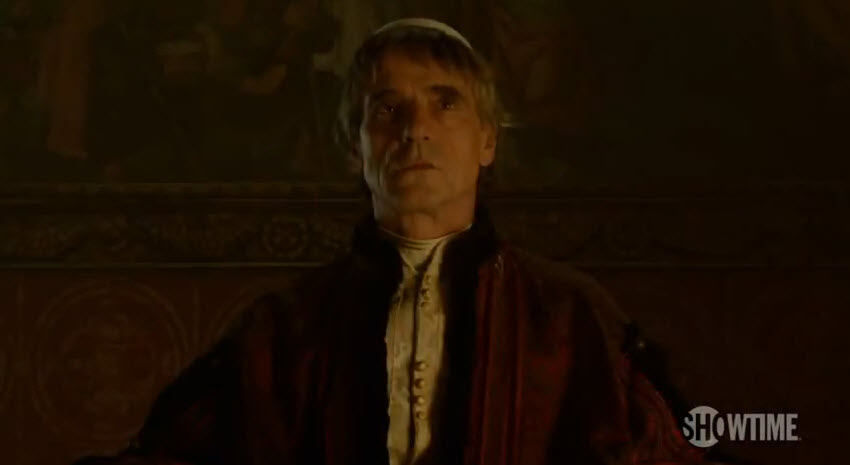
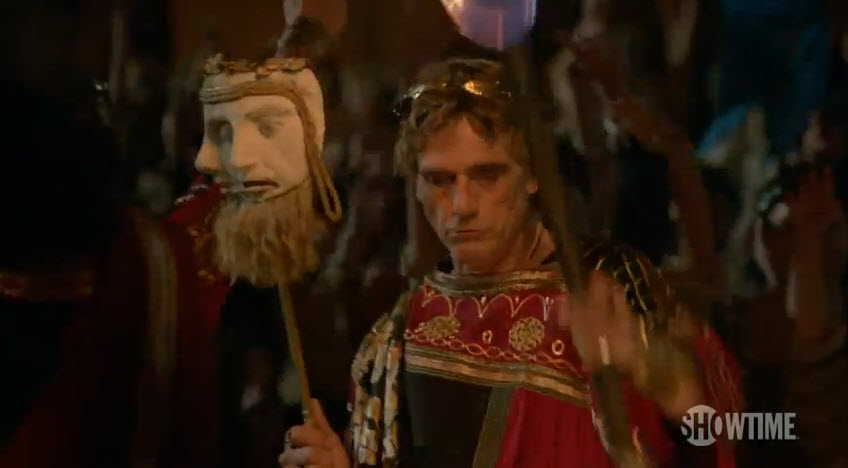
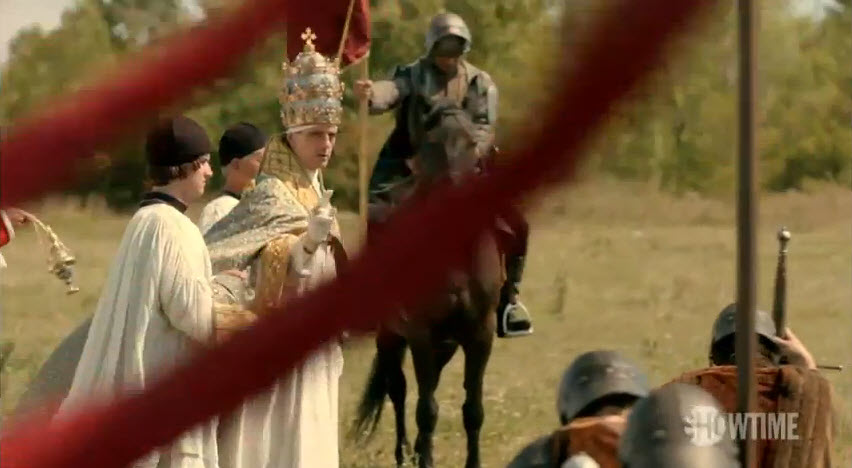
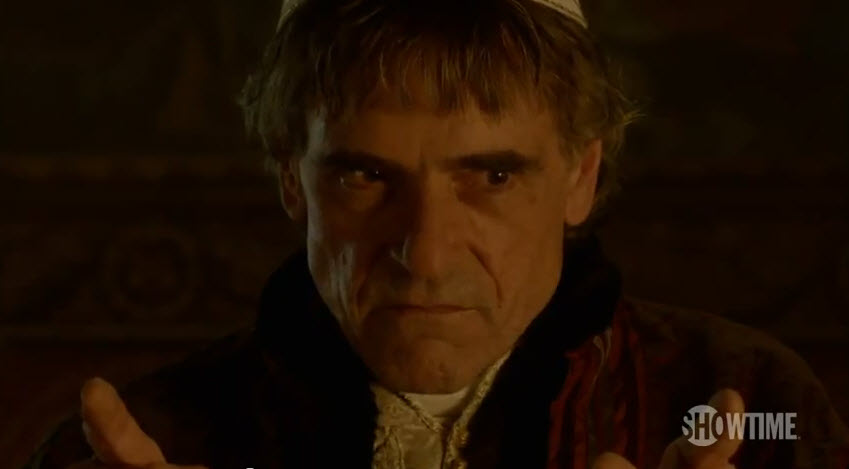
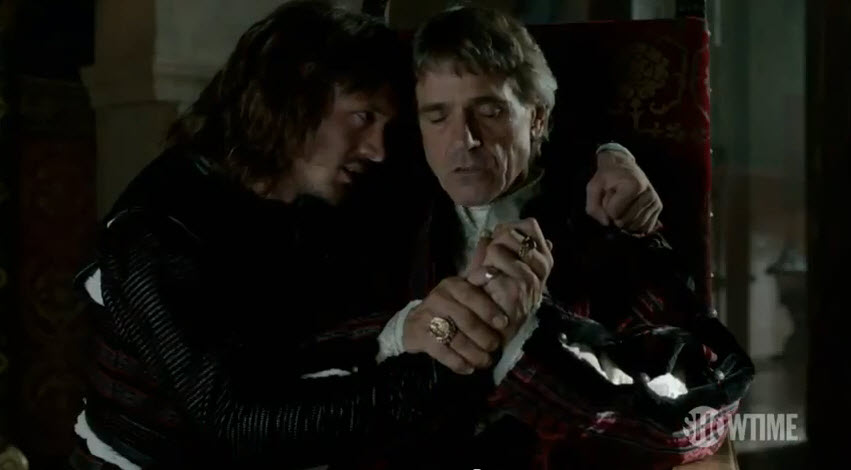
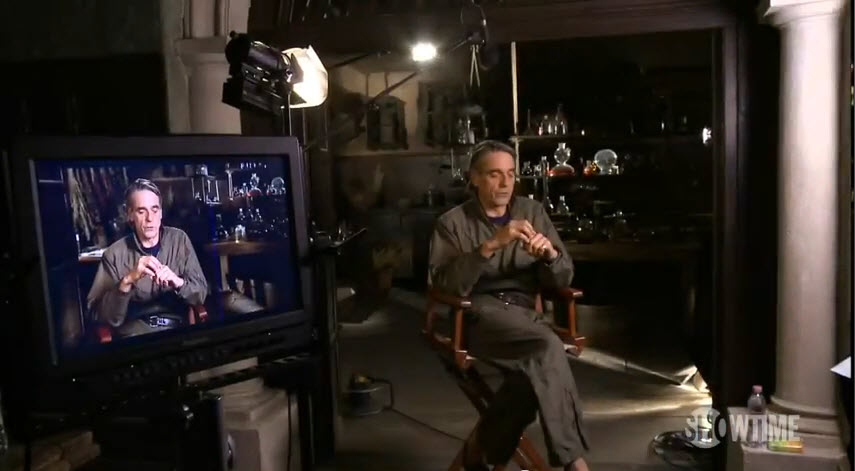
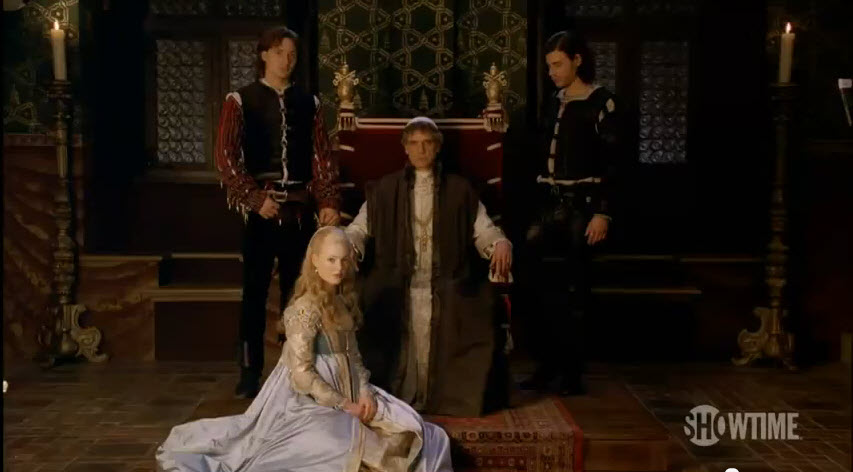
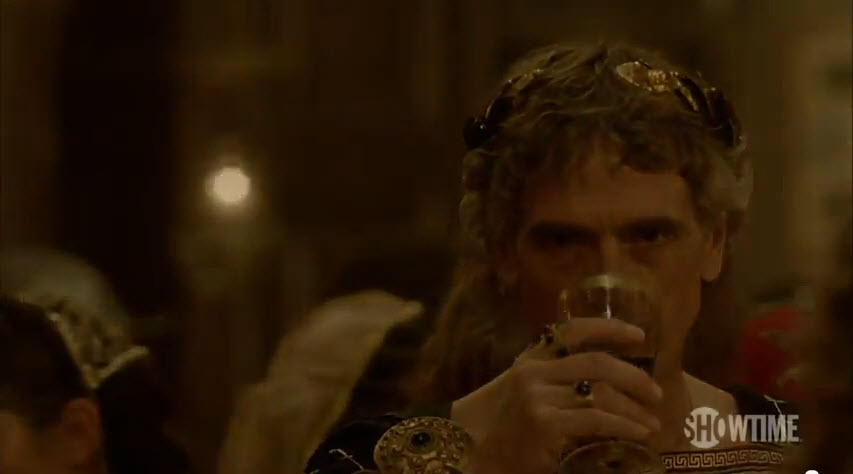
Showtime has premiered on the network and added to their YouTube channel this video “Open Set” The Borgias Season 2 Preview – Hosted by Holliday Grainger.
The Borgias, Season 2 premieres on Showtime on Sunday 8 April 2012.

Showtime has premiered on the network and added to their YouTube channel this video “Open Set” The Borgias Season 2 Preview – Hosted by Holliday Grainger.
The Borgias, Season 2 premieres on Showtime on Sunday 8 April 2012.














Translated (awkwardly) from Hungarian by Google Translate:
Original text HERE
Jeremy Irons: “I love that you still have time to talk to each other”
Woman’s Journal
Cafe Column
13 December 2011
The actor slowly spends more time here than in his native England. The Borgias eighth rotation of the second year the Oscar-winning star was not spoiled by an interview with Hungarian journalists, but the Woman’s Journal was among the first exception.
The Borgias rotation due to a lot of time spent in Hungary, but also feature films shot here. What kind of picture emerged about us, Hungarians, and what you think about how to change over the years?
To be sure, was to get used to capitalism. Some on a couple of artist like to see that still regrets the change. I think a lot of artists have worked courageously during the previous era, they were more motivated. Some of them even lack the era. I believe, mostly Hungarians think that we live better than I did then. I like to be in Hungary. Always receiving a warm welcome and were very kind to me. Already accustomed to strangers, for a foreign conqueror. Were the Turks, then the Austrians and the Russians and the Nazis. They hardened during this time. I hope that I prefer to see me as the ones listed above …
Sure can.
Budapest is a city of incredibly friendly and efficient, if one wants to make movies. It is therefore possible that I will return again and again. Fantastic in the studio, our technicians are wonderful, and always with a friendly welcome. When you arrive by plane, from the top to brown all over the country … I do not know why, but it’s true. In this case, I feel as if they come home and it feels good. When there are a few free days, the more you try to discover the country, outside Budapest section. I love the fact that Hungary is very different from the Anglo-Saxon country, whence I come. The history is different. I spend a lot of time with it, trying to understand. Despite the fact that their economies are increasingly uncertain legs, I love that you still have time to talk to each other, there is time for good meals … and Budapest did not become someone, like many large cities, where life is nothing but a non-stop pursuit mania. Somehow, the slower life in Budapest, and I appreciate that. Every city I love, what with the river in half. It is still working to discover, and I feel I can never be disappointed in him.
The Borgias series is largely about power and corruption. There are things in your life that you would not have obtained if they do not live with the inherent power of movie stars?
If I would not be a movie star, not sure I get this level of pay than now. It’s actually almost corruption, as it very well, you could say we are paid extremely well, especially compared to the average worker. I love my job, but I hope I will never get corrupted, and I will always feel the responsibility it entails. I am a storyteller and very well paid. You slowly build up your audience, all actors do. I feel like I owe them loyalty. I always hope that the decisions I make will meet their expectations too. Of course, it happened to me too that I did something only for the money, but I did this only so that I can do something else that doesn’t pay so well.
The Borgias part about being a man can never have enough power. What would you rather do?
It’s never enough (you can’t get enough) of good company.Actually, everything else I meet. I am satisfied with my life so far, I consider myself lucky. Good friends blessed by fate. Interesting work, good for my health. I hope you have a lot of my time will be as fast as the flying. Yes, if something is never enough of the time.
Lajos Koltai told in many places that you will have the next film, in The Treehouse. How’s the film?
Unfortunately, a plan which has not become involved in the future, which is a shame. Hoped to succeed to bring together, but I do not think I realized. But this should rather ask Lajos.
His son, Max, also an actor, what advice saw him on that track?
At first I told him to cut it either. This work has become harder now than when I started at that time was. But it was his dream, and as a parent I could not do that placing obstacles in front of his dreams. I do not want to judge, since he is my son, but others say it that talented. He loves his job. The children of the people may not want more than to be happy. Nice to success and will always encourage you to work more as theater. Nowadays it’s less come together ever since called into film. I hope a lot will be on stage, as I did, because the terrain can be a lot of practice and sometimes even fail, because the stage of the downfall of us will never see your like the movies.
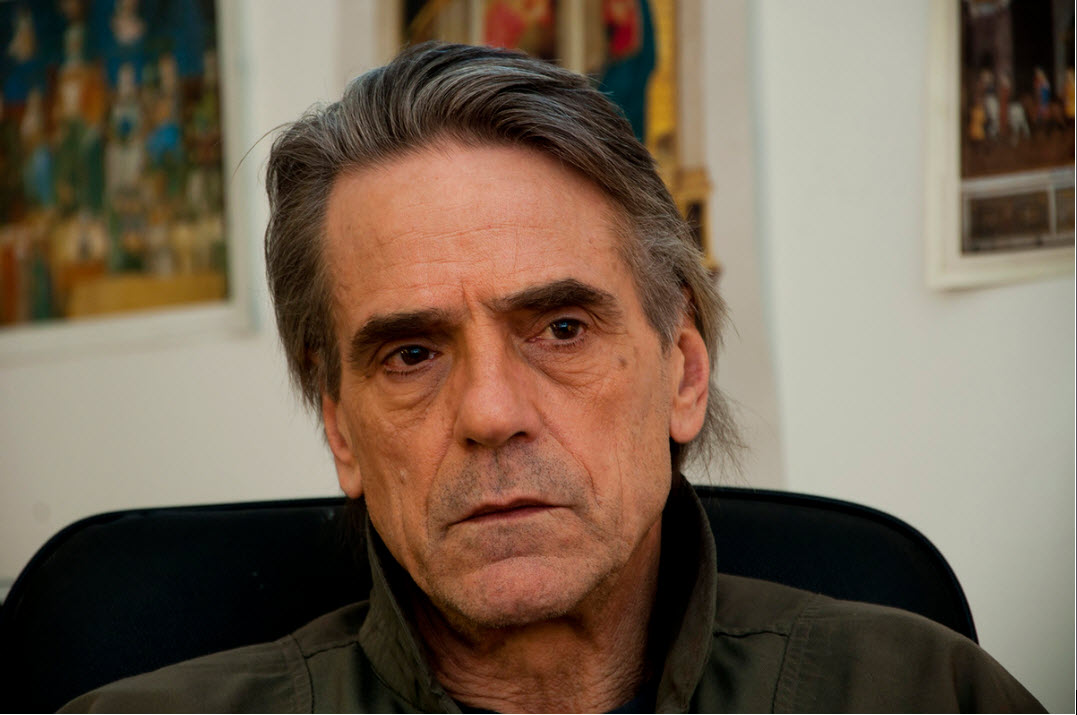
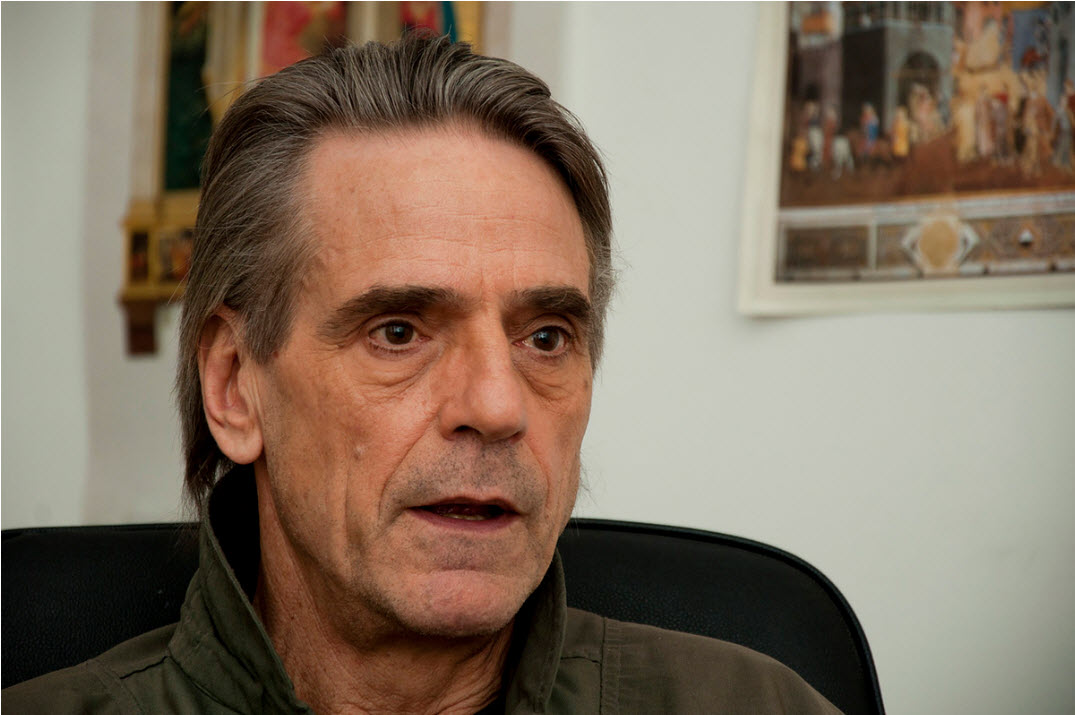
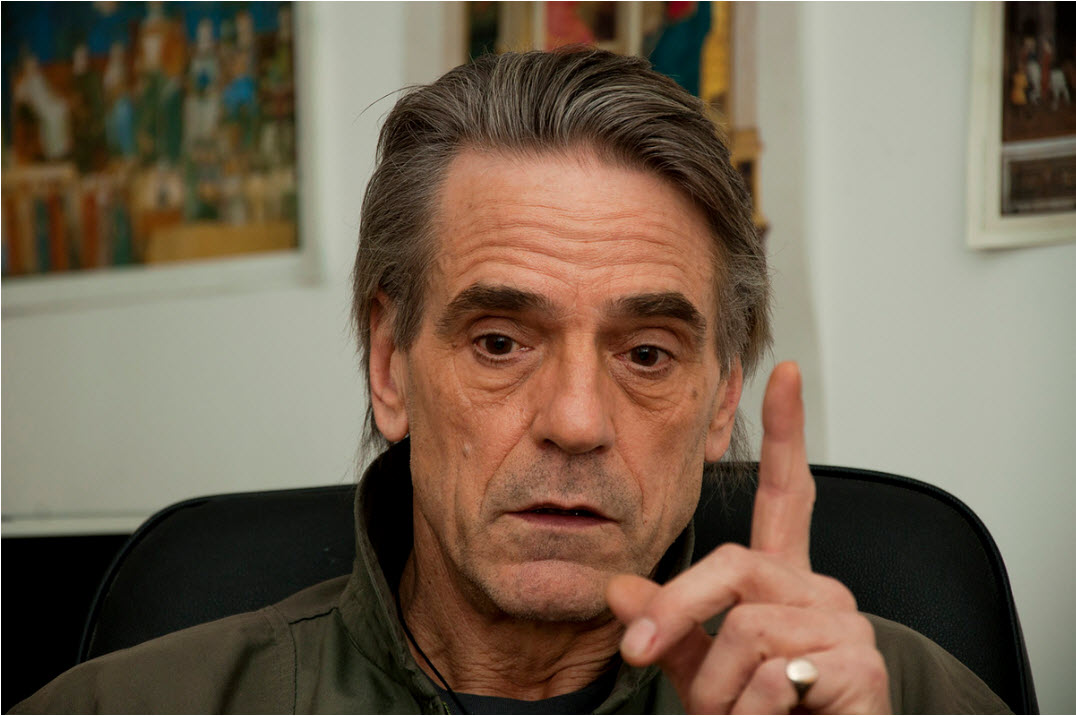
Jeremy Irons was interviewed by Nava Aniko at Korda Studios in Etyek, Hungary, recently. The 40-minute interview will be broadcast on Hungarian TV on 22 December at 20:10.
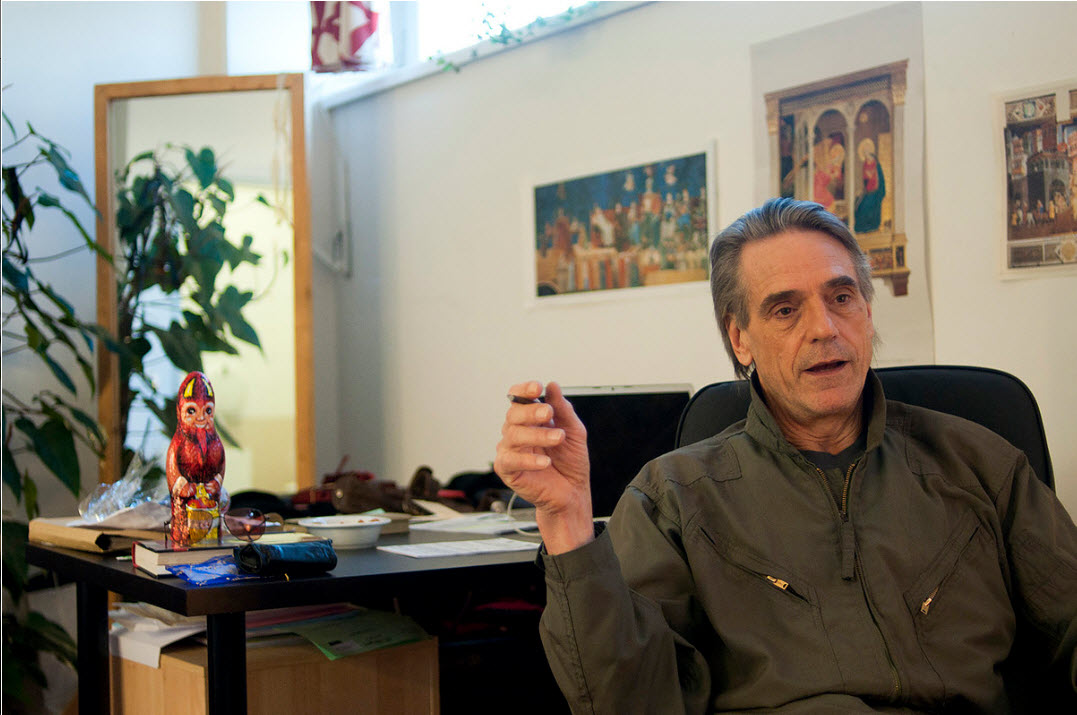
All photos by Zirig Árpád
In the interview, Jeremy not only spoke about movies and Hollywood, but about his worldview. He does not consider himself a politician and he does not believe in the death penalty. Jeremy also tells his view of how Budapest has changed over the years.
Also in the interview:
– he’s not into politics, and doesn’t believe in any kind of ‘-ism’
– he doesn’t attend services at the Anglican church – “my wife and kids are Catholics”
– Doesn’t believe in death penalty – “because it doesn’t stop criminality”
– why he believes in love – “God is love, and it means to me that love is the answer for everything”
– what he thinks about power, money and fame – “it means more people know me than how many I know”
– what’s his advice to his son Max – “go until you find what makes you happy”
The British actor starred in Istvan Szabo’s Being Julia in 2004, which was filmed partly in Budapest.
Irons conducts the conversation in Hungarian as well, announcing in the interview Merry Christmas greetings to all in Hungarian.
Click on the thumbnails for larger images:

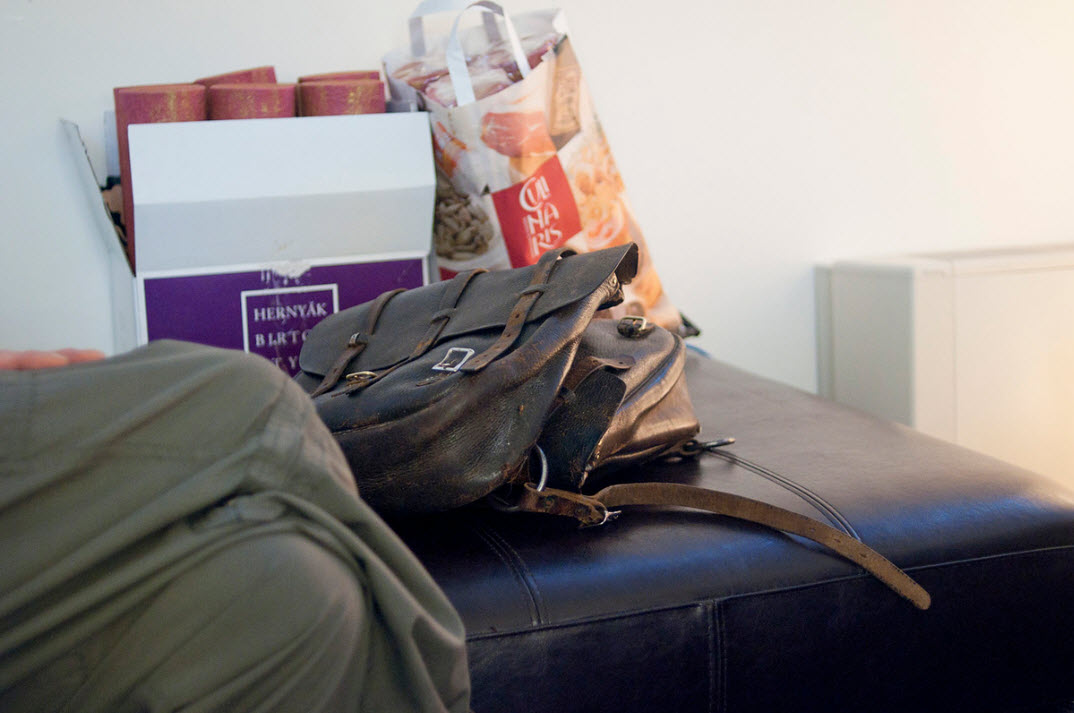
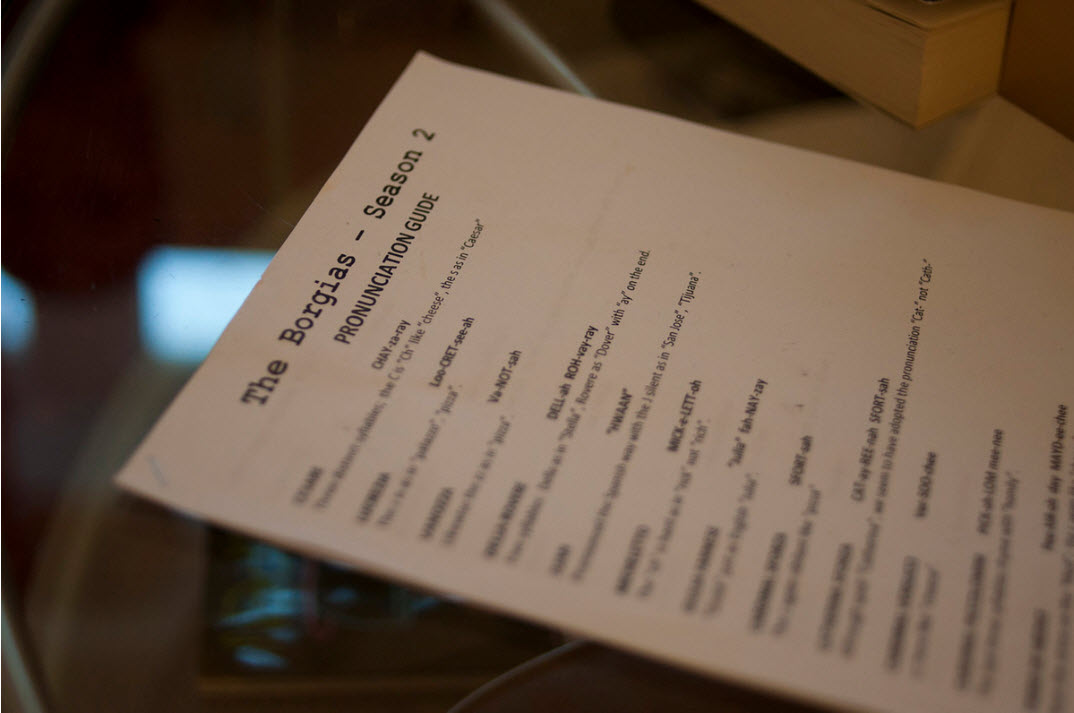


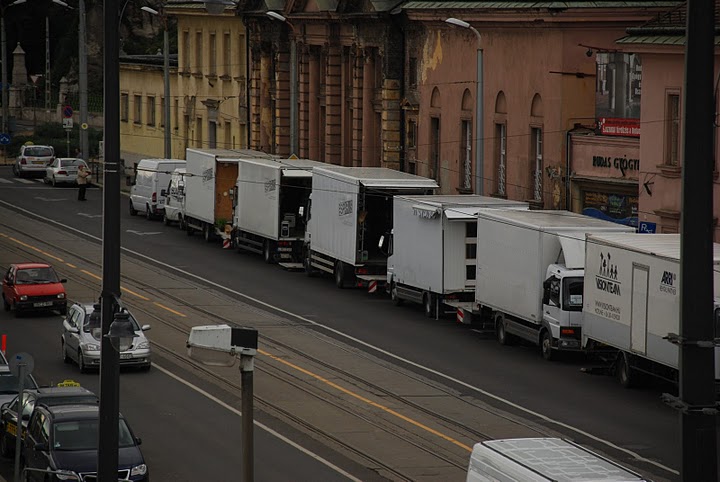
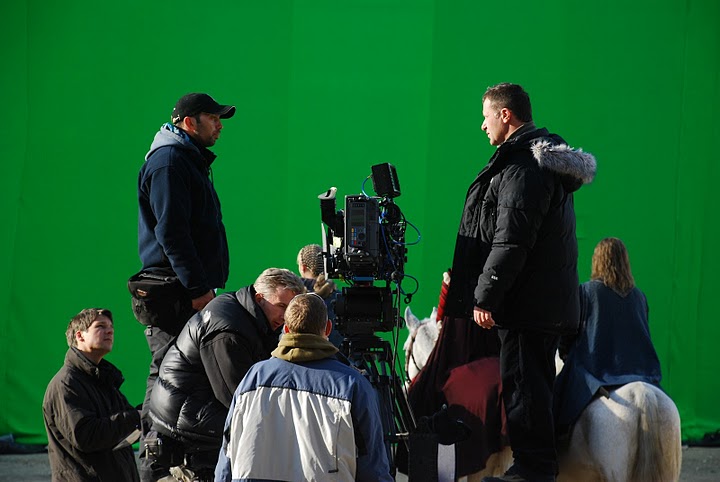
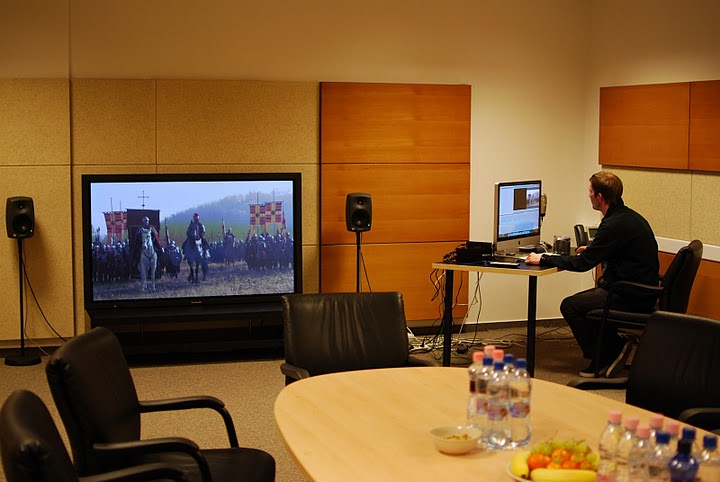
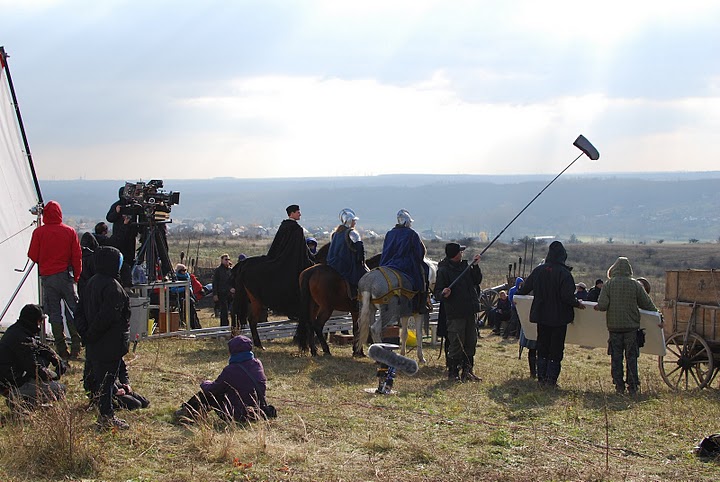
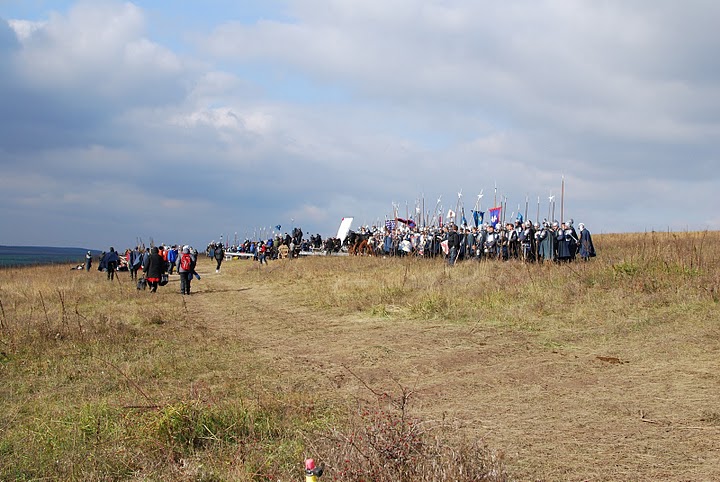
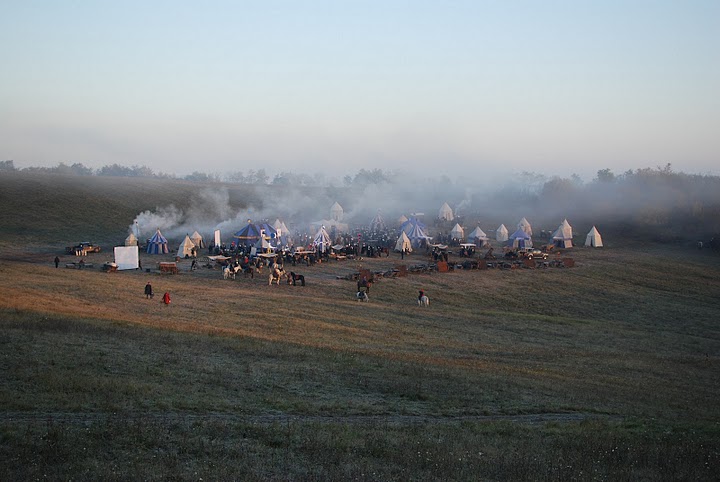
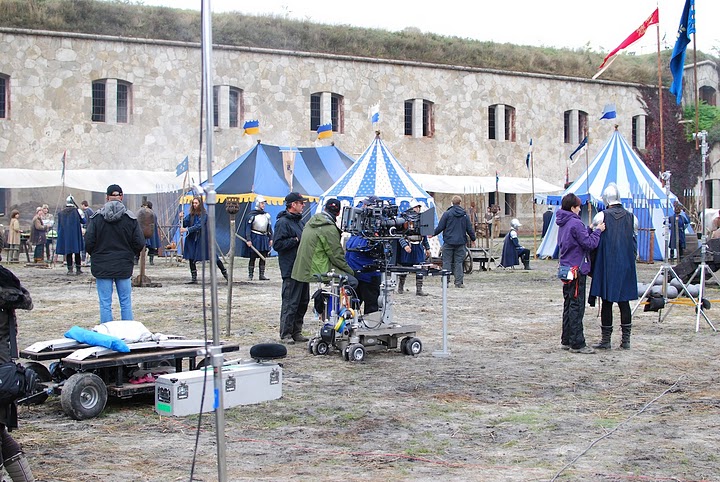
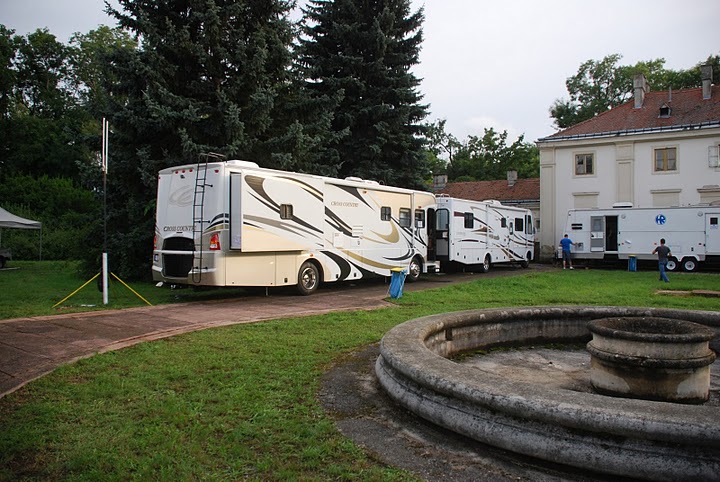
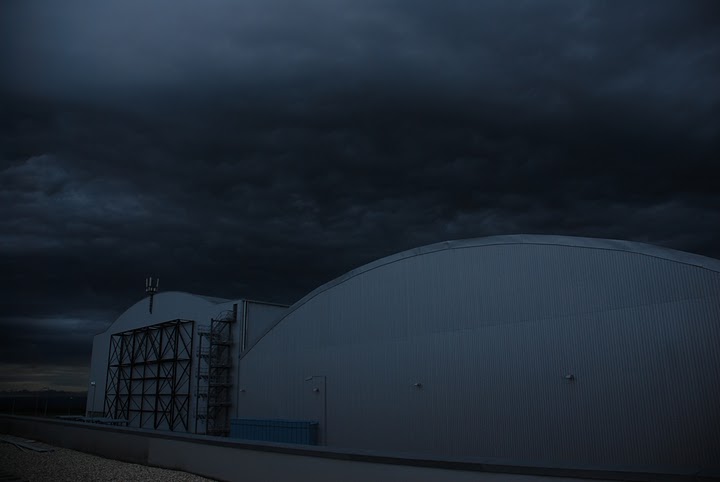
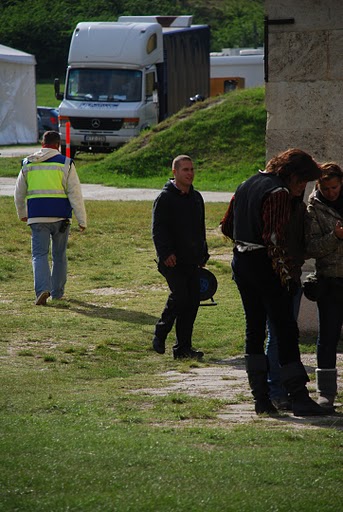
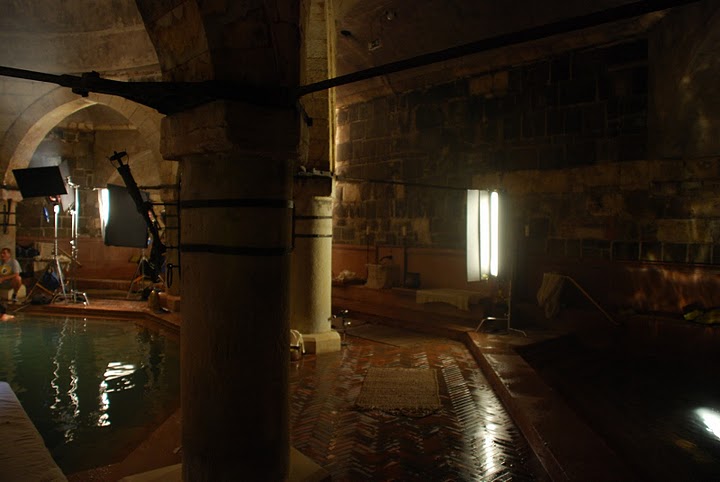
From Balint Regius’s Gallery – Photos taken in 2010 from behind the scenes of The Borgias season one. The photos were taken on locations in Soponya, Komárom, Budapest and Etyek in Hungary.
Unfortunately, it seems, he did not get any photos of Jeremy. David Oakes, Francois Arnaud and Colm Feore do appear in some of these photos, however.

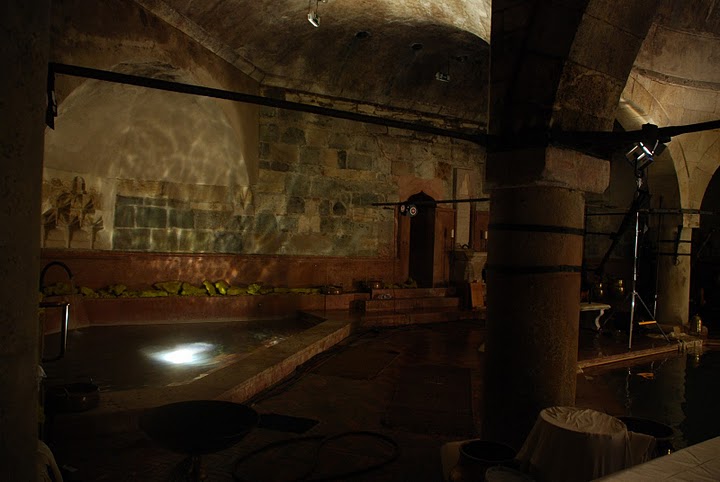















With a voice that is rich, deep, mellow, sometimes unsettling, always convincing, and smooth as a glass of good cognac, Jeremy Irons is a prolific and versatile actor who won the Academy Award for Best Actor for his performance as Claus von Bülow in Reversal of Fortune. He has often played complex, conflicted, sometimes less-than-ethical characters, most recently Rodrigo Borgia, Pope Alexander VI, patriarch of the infamous and powerful family at the height of the Renaissance, in Showtime’s series The Borgias. Irons, who has also won two Golden Globe Awards, a Primetime Emmy and a Tony, took time out from filming the second season of the series to speak with World Screen.
WS: How did you become involved in the project?
IRONS: I was approached by [the director] Neil Jordan, who told me he was writing a series. He’d had a film for a long time he was trying to get made about the Borgias; finally, he decided he would offer it to a television company as a series. So for the first time in his life he was writing a television series and he asked me if I would be interested in playing Rodrigo, who becomes Pope Alexander VI. I said, “Let me think about it,” and I did some research and discovered that Rodrigo was an immigrant from Spain. He was a very large man. I’m not a large man, so I said to Neil, “You really should get somebody who looks more like him,” He said, “No, no, no, no, it’s all about power and the abuse and use of power. You know all about that. You can do that. No one knows what Rodrigo looked like.” So I thought, I’d love to work with Neil. We had talked about it a lot in the past; he is a consummate filmmaker. In the past I had done a program about F. Scott Fitzgerald for Showtime and they had aired Lolita and I’d been very affected by the way they show their product—they take a lot of care about it. So that was all good. The idea of a five-month stint [it takes five months to shoot a complete season of The Borgias] and doing something possibly for future years worried me a little bit, but I had been watching how better and better work was being done on American television. Some of the series are really splendid in the way they are made. So I thought, why not? Let’s go for it. That’s how it came about.WS: Rodrigo Borgia is nothing if not complex. What appealed to you about his character?
IRONS: It’s interesting, he was a newcomer amongst the Roman families. He was very powerful and, like many of the rulers of that time, very Machiavellian, as we would now call it. When Rodrigo died he was vilified by a succeeding pope and [then developed] a bad reputation, not only Rodrigo as a pope, but the whole family. When you delve into the history books and the biographies, you discover that that was not necessarily the truth. One book in particular I was researching listed all the adjectives that had been used to describe Rodrigo. They were extraordinarily broad in spectrum. He was a great church organizer. He was quite concerned and quite successful about strengthening the Vatican, which was in a very weak position when he became pope. He was wonderful company, great bon viveur, a man of great appetite for food and for women and for all of life, really, in that Spanish and Mediterranean way. And on the other end there was the fornicator, the murderer and the assassin and a lot of very negative adjectives. And I thought, this is very interesting, let’s try and find out what makes this man—either good or bad—[behave the way he does]. A man who, while being head of the church with an explicit belief in God, a man of his time, also managed to have 12 children and many lovers. I thought that is a very interesting character to try to weave through. From my research, reading as widely as I could, a lot of it writing that was written while he was alive, Neil and I together really tried to create this powerful man who loved and lived hard, and who I suppose in modern eyes, probably behaved quite badly on occasion.
WS: Are there still parallels from the Borgia reign to certain realities in our world today?
IRONS: I certainly see them. The seat of power is a very complicated place, whether it be Washington or Brussels or wherever. I don’t think people change. I’ve always felt that [throughout] history, reading what people have said and what people have thought, their ideas may change as they build on each other’s, but I don’t think people are any different, and the way power is used and abused is really no different. The methods may be different but still, if we decide from a seat of power to get rid of somebody, that person is got rid of. We still spin or lie, however you’d like to call it, to cover our tracks. I don’t think the wielding of power has changed at all.
WS: What challenges does a TV series present to you as an actor that are different from the challenges that shooting a feature film would present?
IRONS: Well, one of the great gifts of television is that one has more time. We’ve had nine hours to tell the story that we have transmitted [in the first season]. We are going to have ten hours to transmit the second. If it goes to four seasons, which it might well do, there will be 39 hours to tell the story of 12 years, which means that you can go into much greater depth. You can play the inconsistencies. You can have the luxury that you don’t have in a feature film—which in a way is more like a short story—to go into depth of character and depth of story. And although with The Borgias there are many stories happening and so everybody gets their allotted time, you are still able to have the luxury of a greater amount of time than you do in a film. So that is one of the main advantages. The challenge is that it’s a long haul; it’s five months. Fortunately, we are shooting in Budapest, which is a very nice place to shoot. I like that I have the occasional couple of days to sort out my life. So I would say that the challenges are just keeping your concentration up, keeping your enthusiasm up. One of the great things is that over [the course of a season] we have four directors, so one of the challenges is adapting to the new way the director will work. But all in all it’s a very pleasurable job, actually.
WS: Throughout your career you have often played roles that were conflicted or not completely ethical. What sort of roles appeal to you?
IRONS: I’ve had some great opportunities but I’ve always known that I wanted characters that really interest me, who don’t necessarily add up immediately, who have enigmatic qualities, who have the complications which we as human beings have. It’s very rare, apart from people like Shakespeare or Harold Pinter or some of the great dramas, that you get characters who are flawed as we all are and yet possibly good at times, who have many layers. That’s what I always try to look for, people who interest me…. It’s sort of a gut instinct that I have when I read something. In a way, one of the joys of acting is you have an opportunity to explore someone else, and it’s quite nice to explore someone who is a fascinating character. That’s what I’ve always looked for, apart, of course, from always wanting good directors and good production, so that one’s work is backed up. And then, of course, good sales at the end, so that hopefully one’s work is seen. Too much drama is made, especially in film, which is really interesting and which never really gets out there, unfortunately. With DVDs we have a longer run, but it’s terribly important that the work we do does get seen, otherwise we are wasting our time.
WS: Can you reveal anything to us about season two of The Borgias or is it a guarded secret?
IRONS: Season two will probably move a bit faster. We’ve spent a long time in season one setting up the whole situation, and now the characters are off and flying. You’ll see new characters, but that’s probably about all I can say.
WS: What other projects are you involved in?
IRONS: The picture Margin Call, which I made with Kevin Spacey, is based loosely around the Lehman Brothers collapse, which I think will be an interesting film. I have a picture I just finished called The Words, which will probably be coming out next spring. I’m looking forward to the re-release in 3D of The Lion King [Irons was the voice of Scar], which will be fun for everybody.
And after this I’m going off to make Henry IV parts one and two, which will be for British television, directed by Richard Eyre. It will be nice to get back to some Shakespeare. And then I’m off to make a picture with Bille August, the director I worked with in The House of the Spirits, and then a picture called Night Train to Lisbon. That’s what I have in store. I can’t see a lot of time out, but that’s how I like it.
Original article HERE

Photo by Monika Höfler
A rich film tradition and low production costs have long brought stars to Budapest, among them Jeremy Irons, 63, pictured here on the shores of the Danube River. Irons made “Nijinski,” his first movie in the capital, in 1980, and returned to make “M. Butterfly,” “Being Julia” and Showtime’s “The Borgias.” When not on set, Irons explores the city’s “wonderful crumbling faded beauty” on his motorcycle. “It’s very hard to find the soul of a city,” he says, but he suggests starting at the Dohany Street Synagogue (011-36-1-413-5500), the Hungarian State Opera (right; opera.hu) and the Western Railway Station (Terez korut at Nyugati ter), designed by the Eiffel Company of Paris. Irons also recommends Cafe Kor (011-36-1-311-0053; cafekor.com), Pomo D’Oro (011-36-1-302-6473; pomodorobudapest.com) and Nobu (noburestaurants.com/budapest), inside the Kempinski Hotel (011-36-1-429-3777; kempinski.com), where he usually stays.
Jeremy Irons, Oscar-winning British actor, and fellow actress Holliday Grainger arrived Tuesday evening, 20 September 2011, at the Budapest Ferenc Liszt International Airport.
Photos © MTI Fotó: Kallos Bea


This year, while in Hungary filming The Borgias, Jeremy Irons is using a new BMW R 1200 GS Adventure Triple Black motorbike. He will use the 100hp special edition BMW until November, when they finish shooting The Borgias. He uses it in Budapest during weekdays and goes to the countryside during weekends.
Zambo Balasz, manager of Hungary BMW, handed over the keys to the machine adding: “We are very pleased that Mr. Irons again chose our motorcycles during his stay in Hungary. It is important that such an important guest be able to know as many sides of the country, which is a great opportunity for touring.”

Click on the thumbnails for larger images:




Jeremy Irons and fellow castmates from The Borgias – David Oakes (Juan Borgia) and Ronan Vibert (Giovanni Sforza) – attended the Prince concert at the Sziget Festival in Hungary on 9 August 2011.

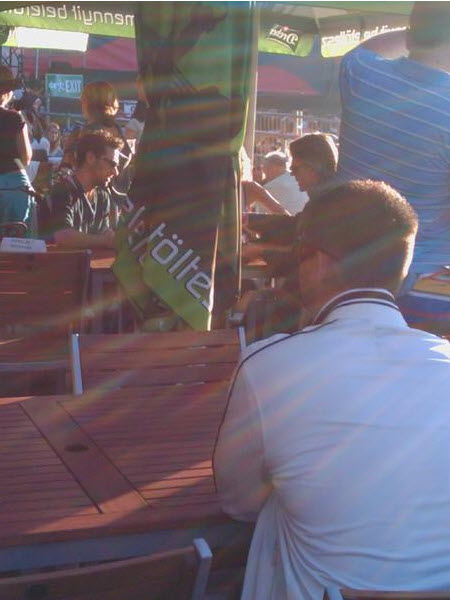
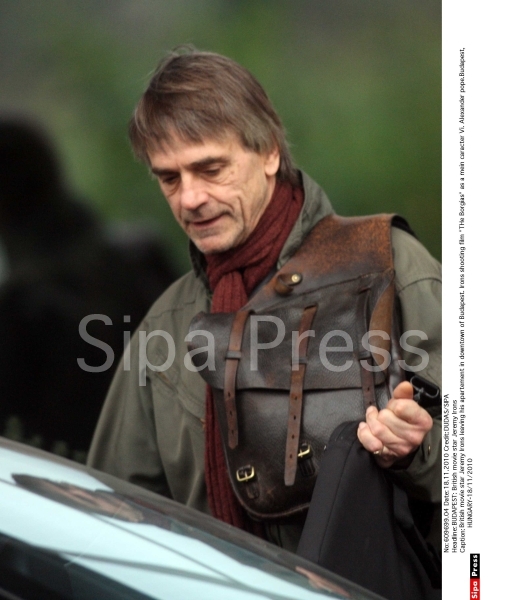
British movie star Jeremy Irons leaving his hotel in downtown Budapest.
Budapest, HUNGARY-18/11/2010
Credit:DUDAS/SIPA












 jeremyirons.net
 jeremyirons.net
You must be logged in to post a comment.