View the original video HERE for full screen.
Vodpod videos no longer available.
“The Borgias” Season 2 Promo, posted with vodpod
All images property of Showtime:

View the original video HERE for full screen.
Vodpod videos no longer available.
All images property of Showtime:
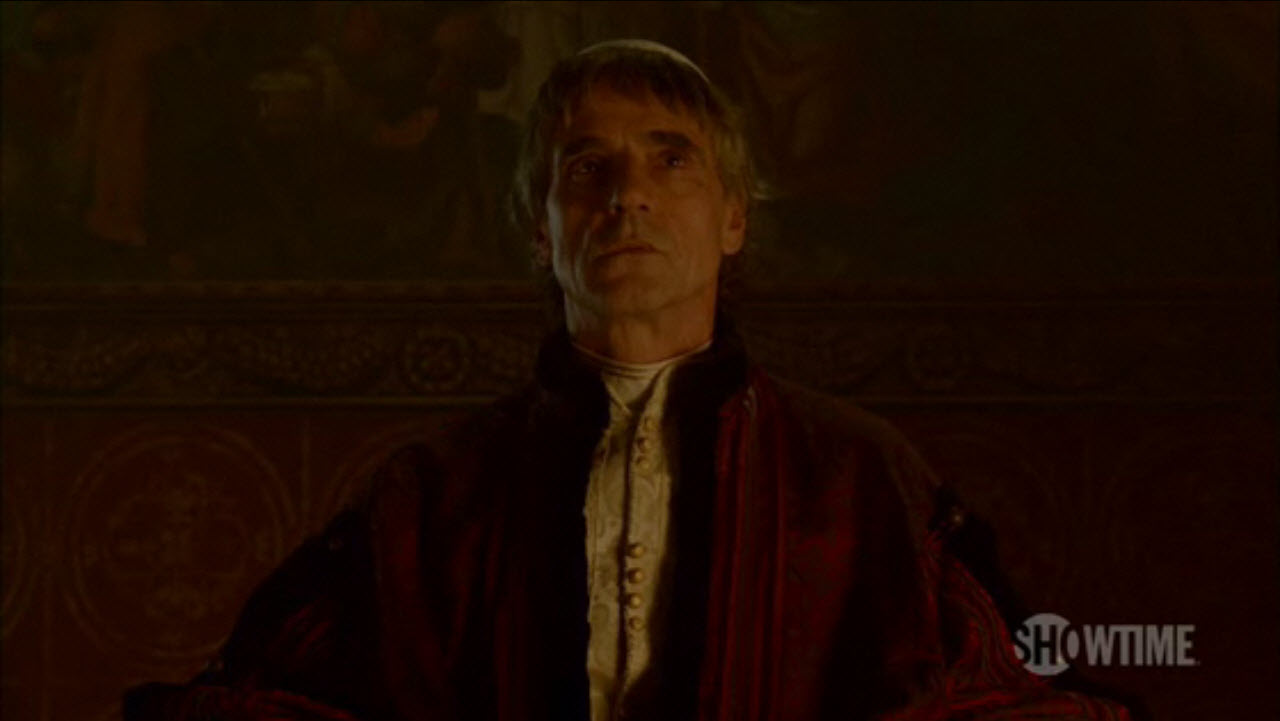

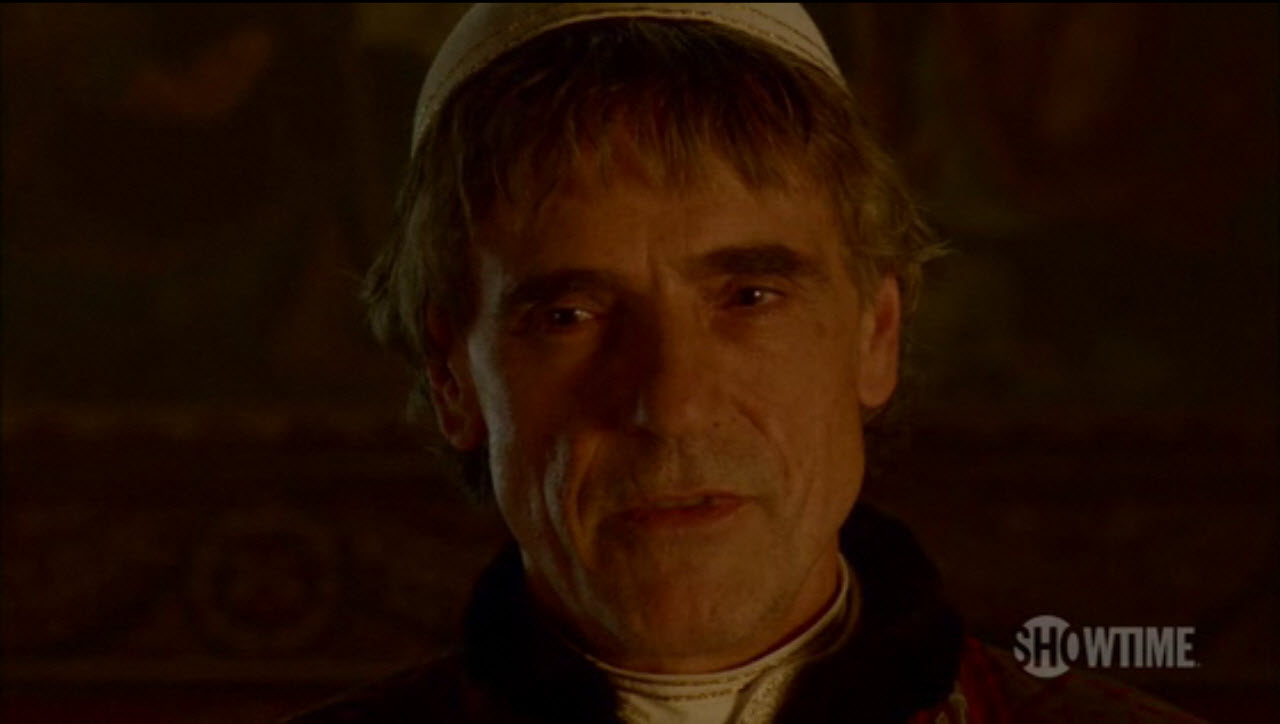
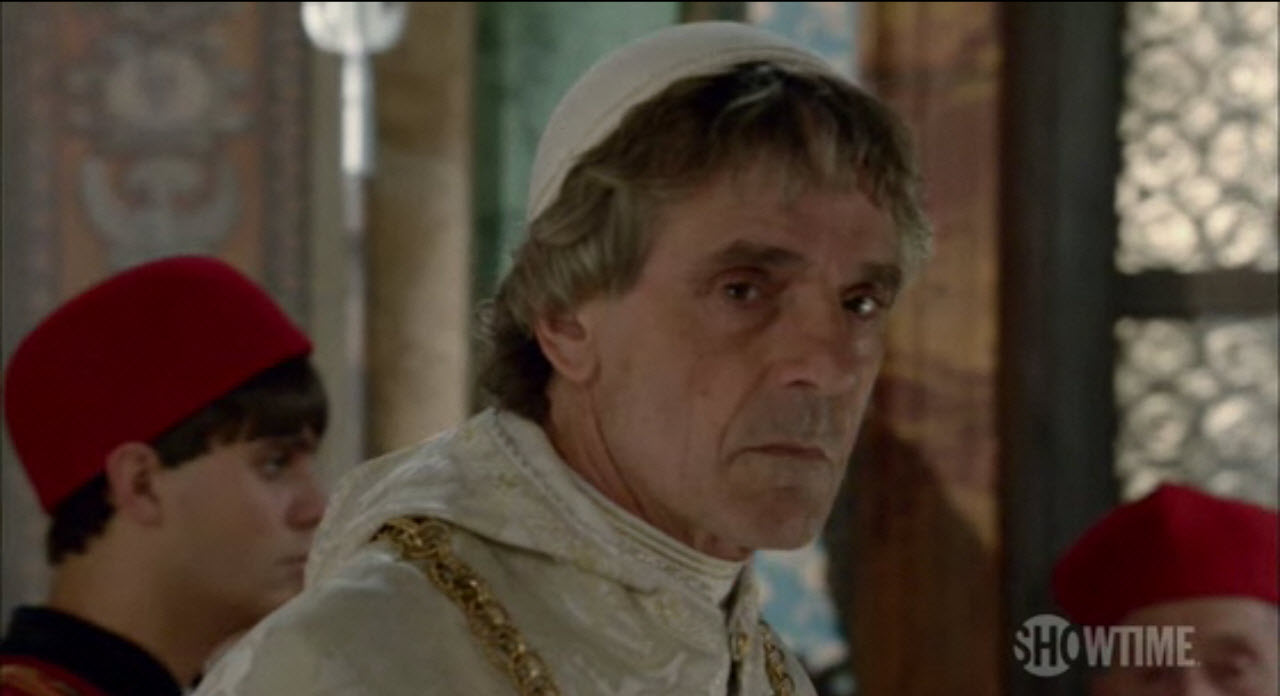




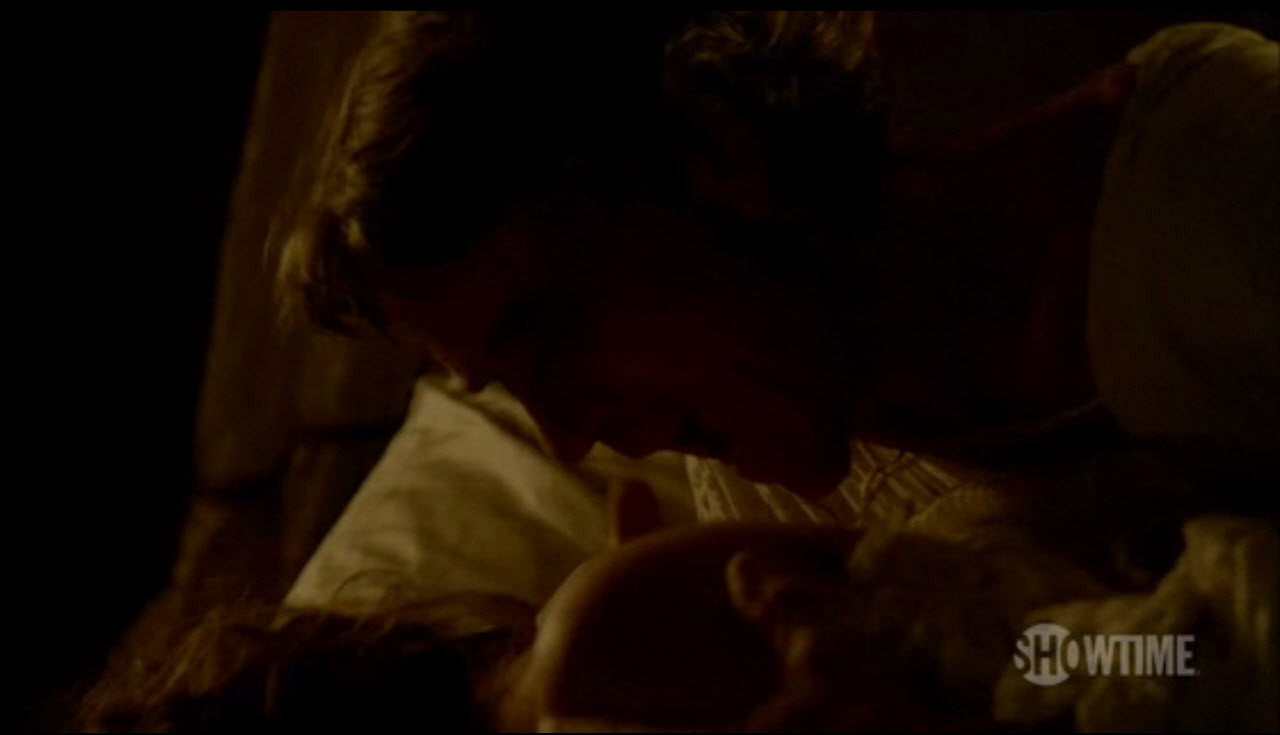

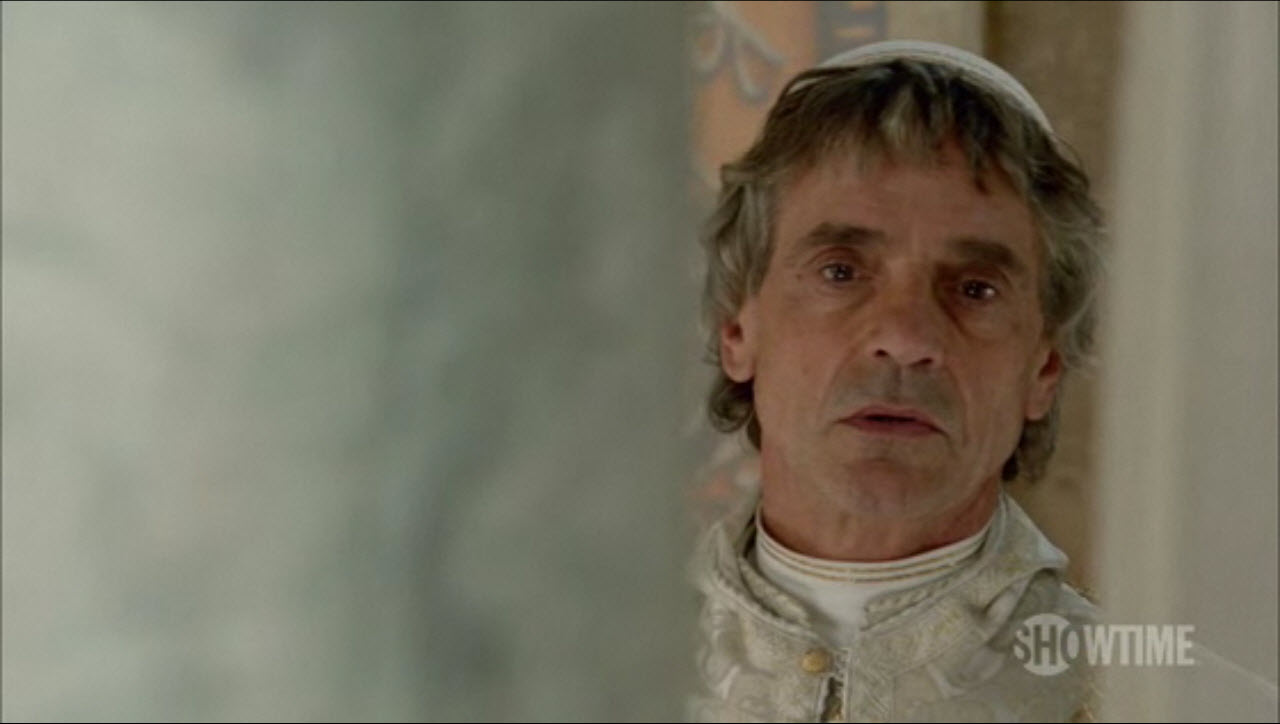
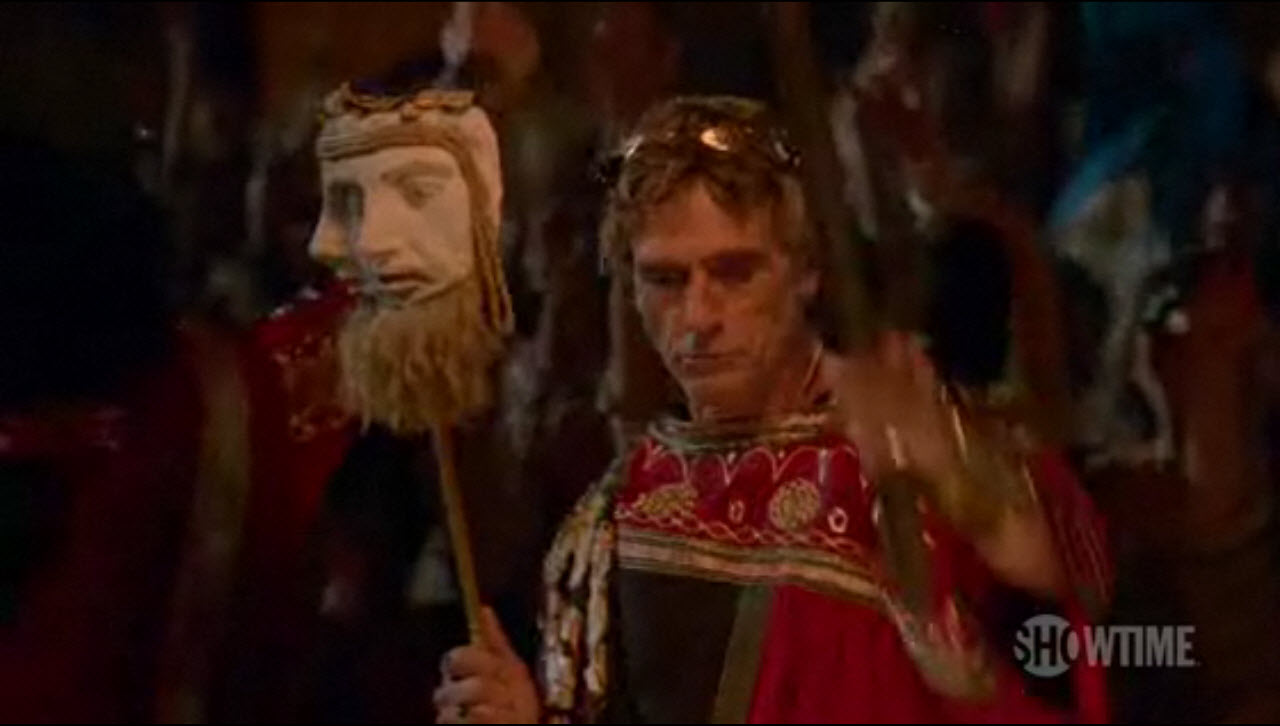


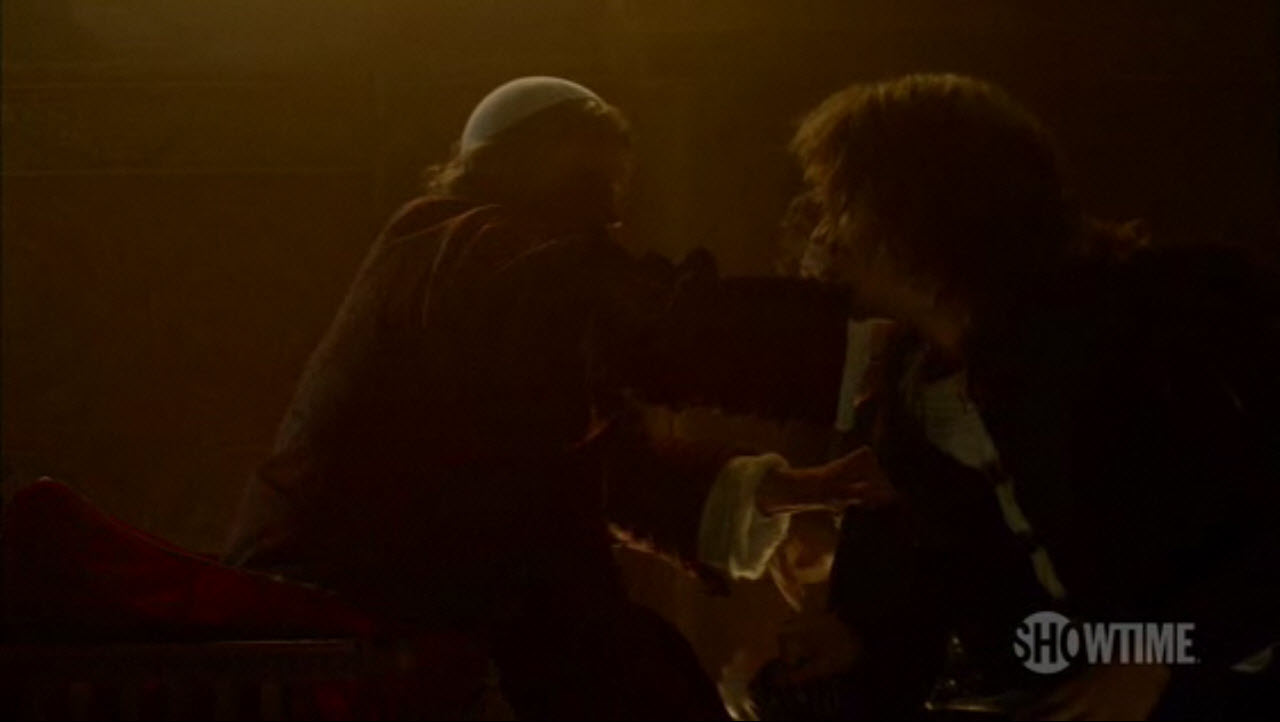


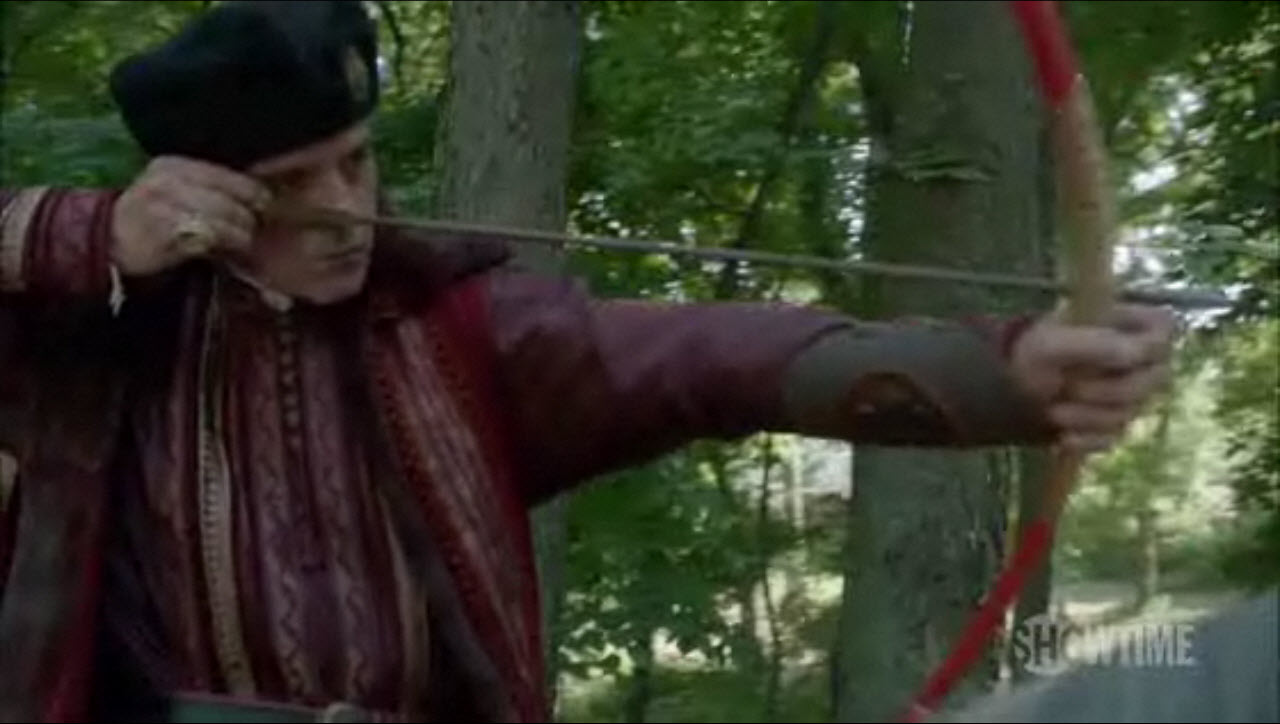
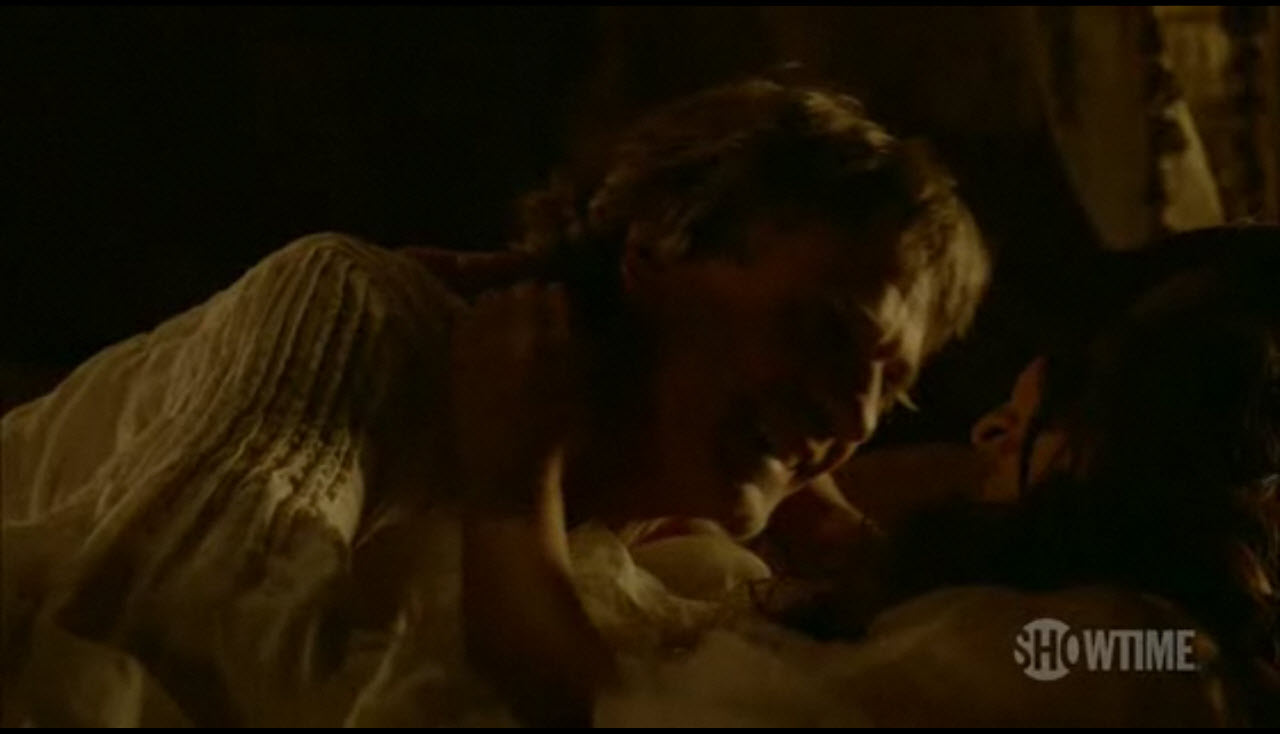
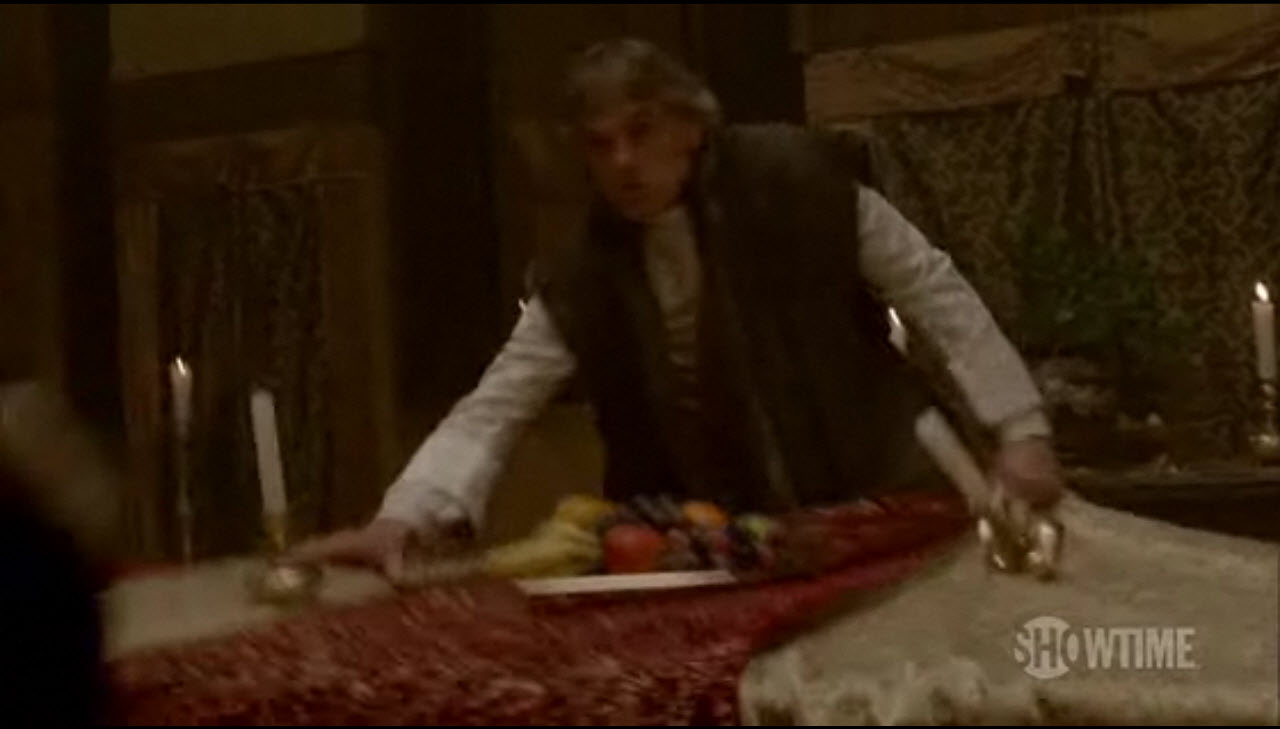
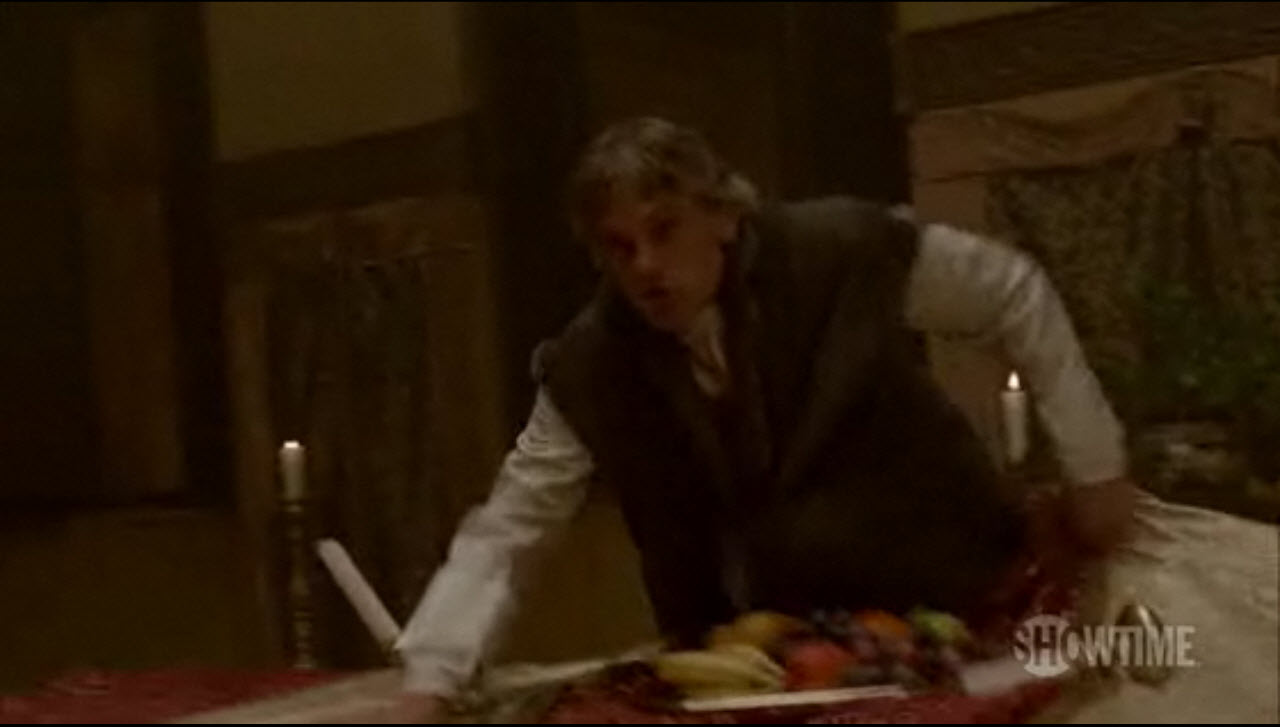
Jeremy Irons, Oscar-winning British actor, and fellow actress Holliday Grainger arrived Tuesday evening, 20 September 2011, at the Budapest Ferenc Liszt International Airport.
Photos © MTI Fotó: Kallos Bea


The Borgias premiered in the UK on Sky Atlantic on Saturday 13 August 2011. Here are a few articles from the UK press regarding the series:
The Guardian “Irons is fabulous….It’s a mesmerising performance”
The Telegraph – [Borgias review]

The Telegraph – Jeremy Irons: Why I said yes to a fornicating pope.
Digital Spy UK – ‘The Borgias’ David Oakes interview: ‘Playing a hedonist is fantastic’

All photos and text property of Showtime. No copyright infringement intended.
Click on thumbnails for larger images:

















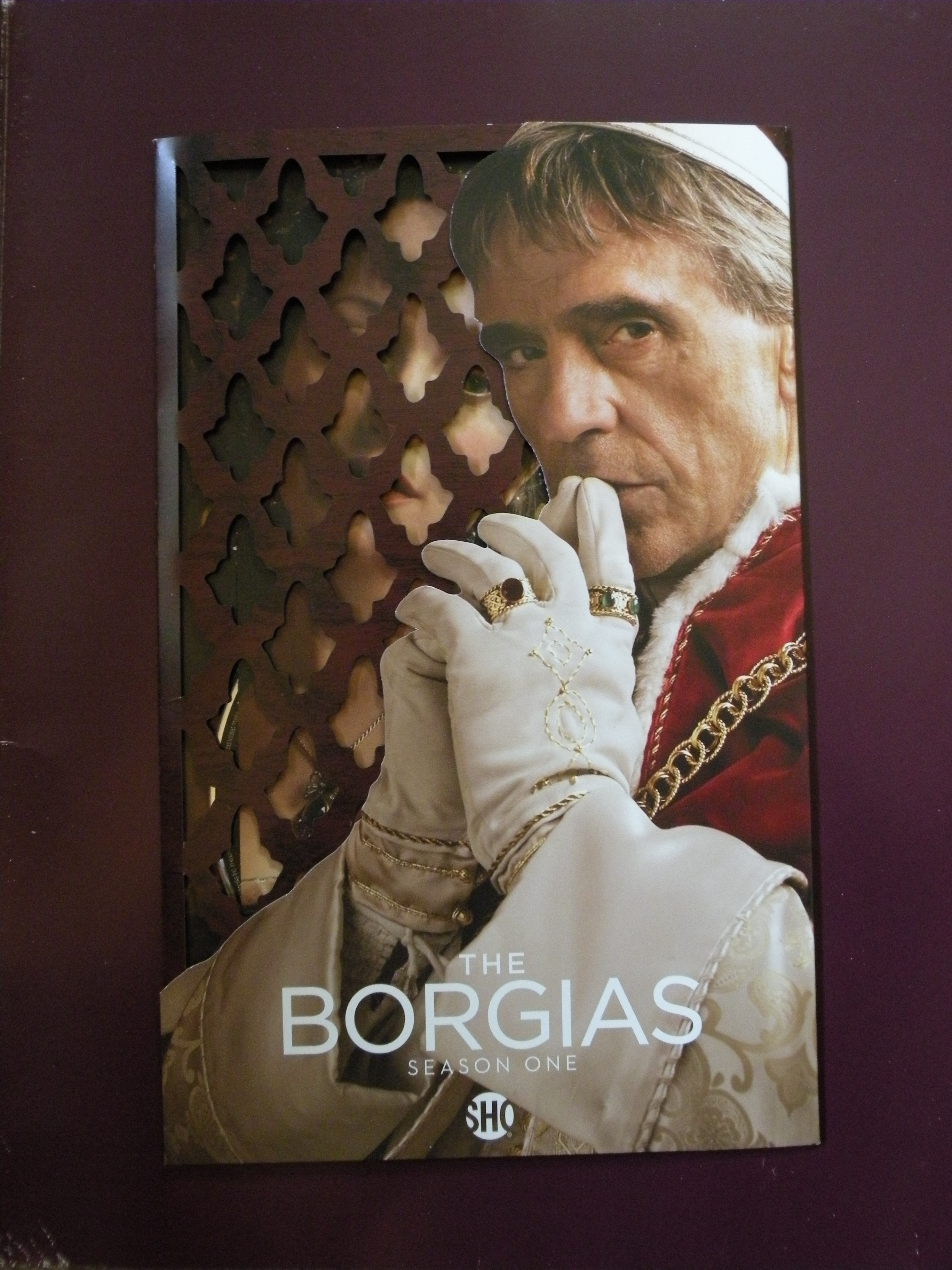


Irons dissects complex character – Toronto Sun
Jeremy Irons on playing Pope Alexander VI as a regular dude – Montreal Gazette
Playing Jeremy Irons’ son was intriguing for actor – Sioux City Journal
Liz Smith: The Borgias Will Slay You
‘Borgias’: Showtime couldn’t make this stuff up – USA Today
Oh God, you Devil! – New York Post
Jeremy Irons on finding the good side of bad guys – Toronto Globe and Mail
Showtime takes on a scandalous Pope Alexander VI with The Borgias – L.A. Times
Review: Jeremy Irons Brings Charisma to ‘The Borgias’ – Maureen Ryan, TV Squad
Family values – ‘Borgias’: historical, incestuous, murderous fun – New York Post
The Borgias: We are family – from TV Soundoff
The Borgias: The Original Crime Family – from Pop Culture Passionistas
The Family That Sins Together – Toronto Star
Showtime’s sinister ‘Borgias’: Vile, corrupt, addictive – The Washington Post
Jeremy Irons stars in Showtime’s The Borgias – ABC News and Associated Press
Jeremy Irons has admitted acting doesn’t get any easier with age – from Yahoo News
“Borgias” doesn’t let facts get in way of sexy story – Los Angeles Times

Sex, violence and the Church: On set with The Borgias.
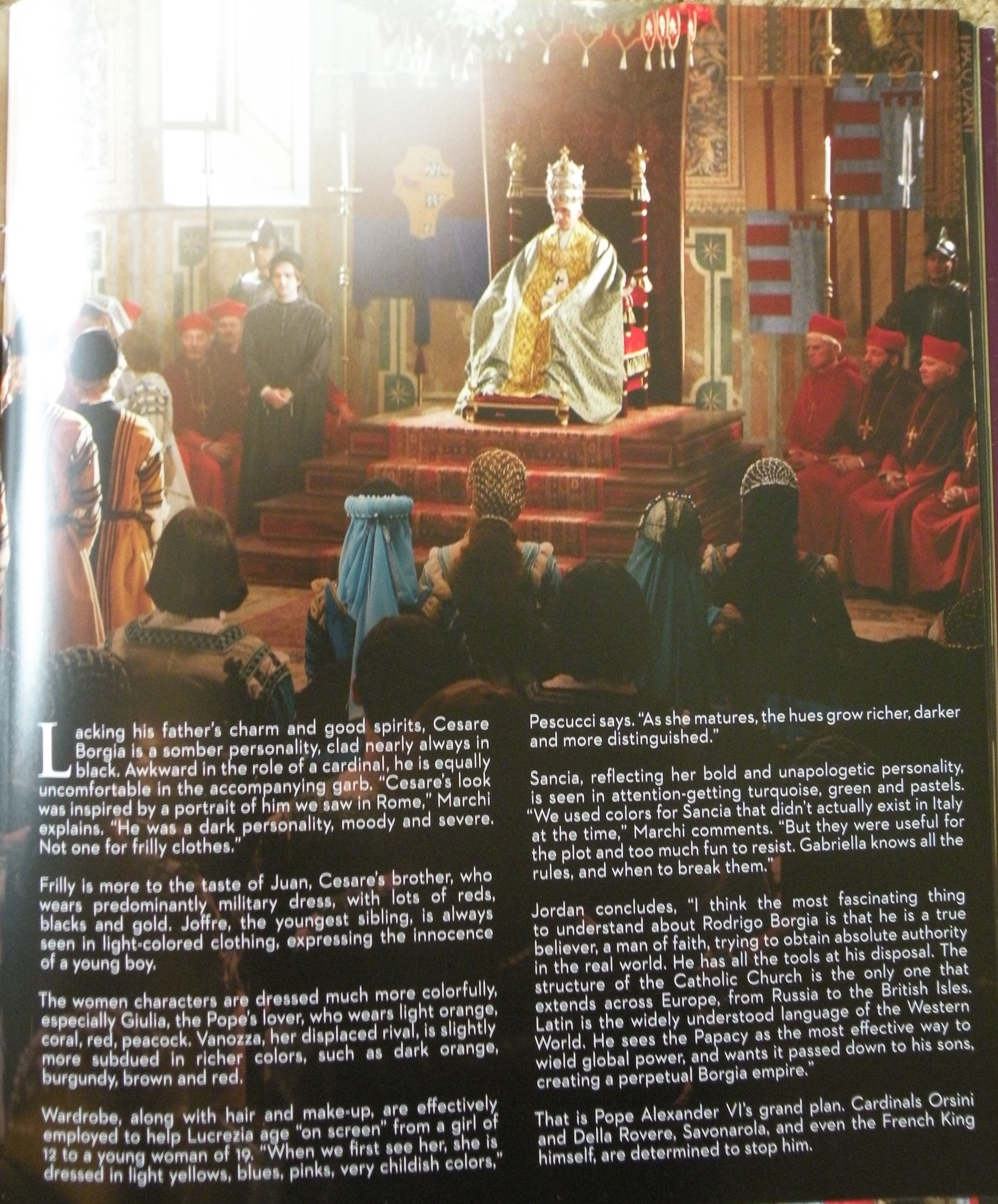
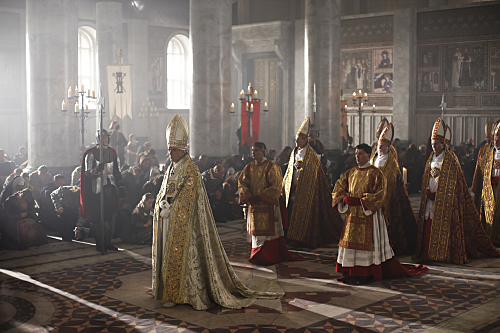
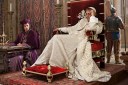
ETYEK, Hungary — Pope Alexander VI, the most notorious man to head the Vatican due to his enthusiasm for sex orgies, bribery, murder and military conquest, has just placed a magnificent jewelled crown on the head of French King Charles VIII and declared him king of Naples.
Alexander’s powerful, haunting voice, backed, as he says, by “the authority of the almighty God,” echoes through the jam-packed St. Peter’s Basilica. He declares that Charles will “reign forever with Jesus Christ.”
“Cut!” shouts the floor director, a signal to the young Hungarian boys lip-synching a Latin hymn that they can stop popping open their mouths every few seconds like blowfish.
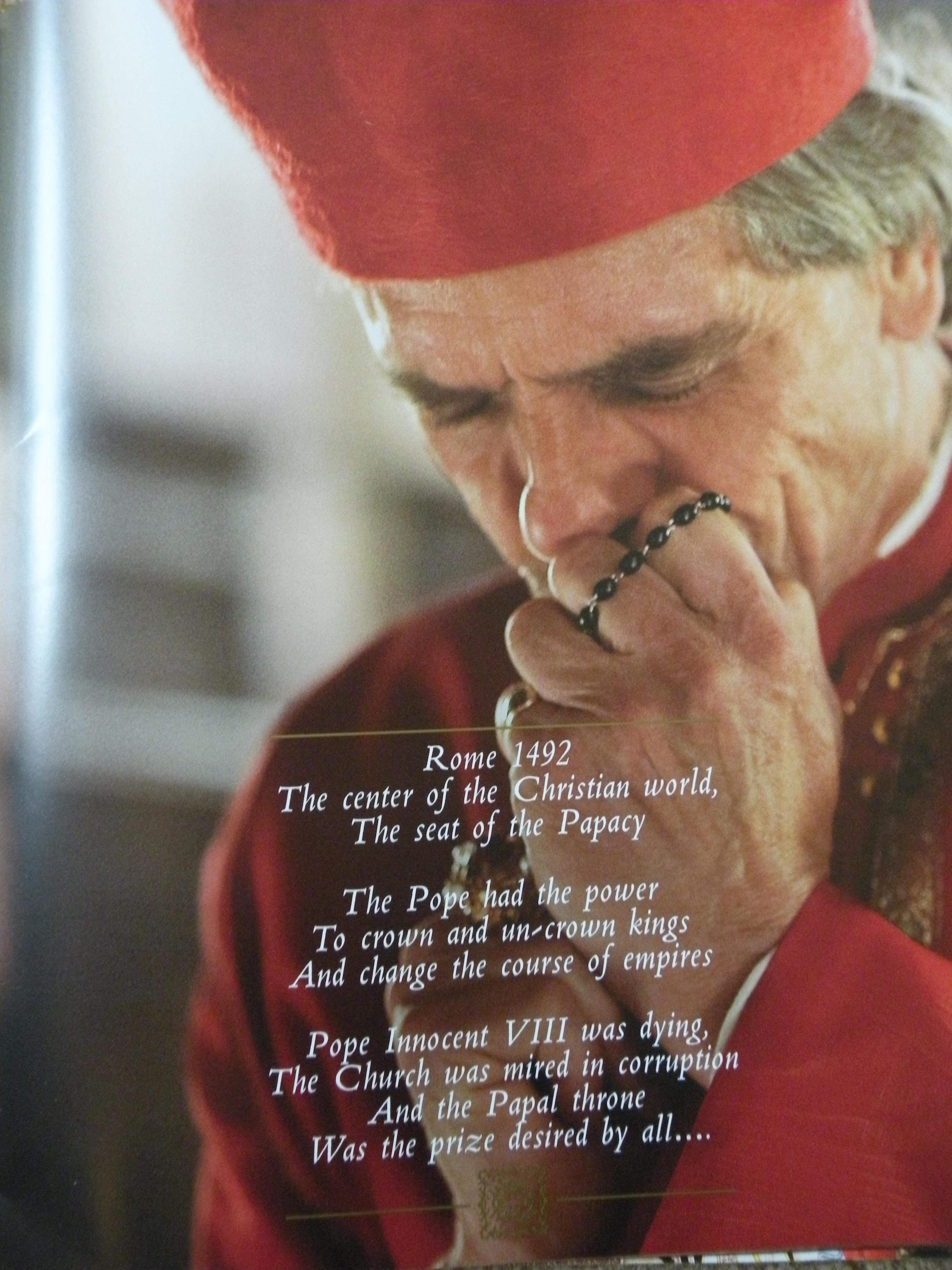
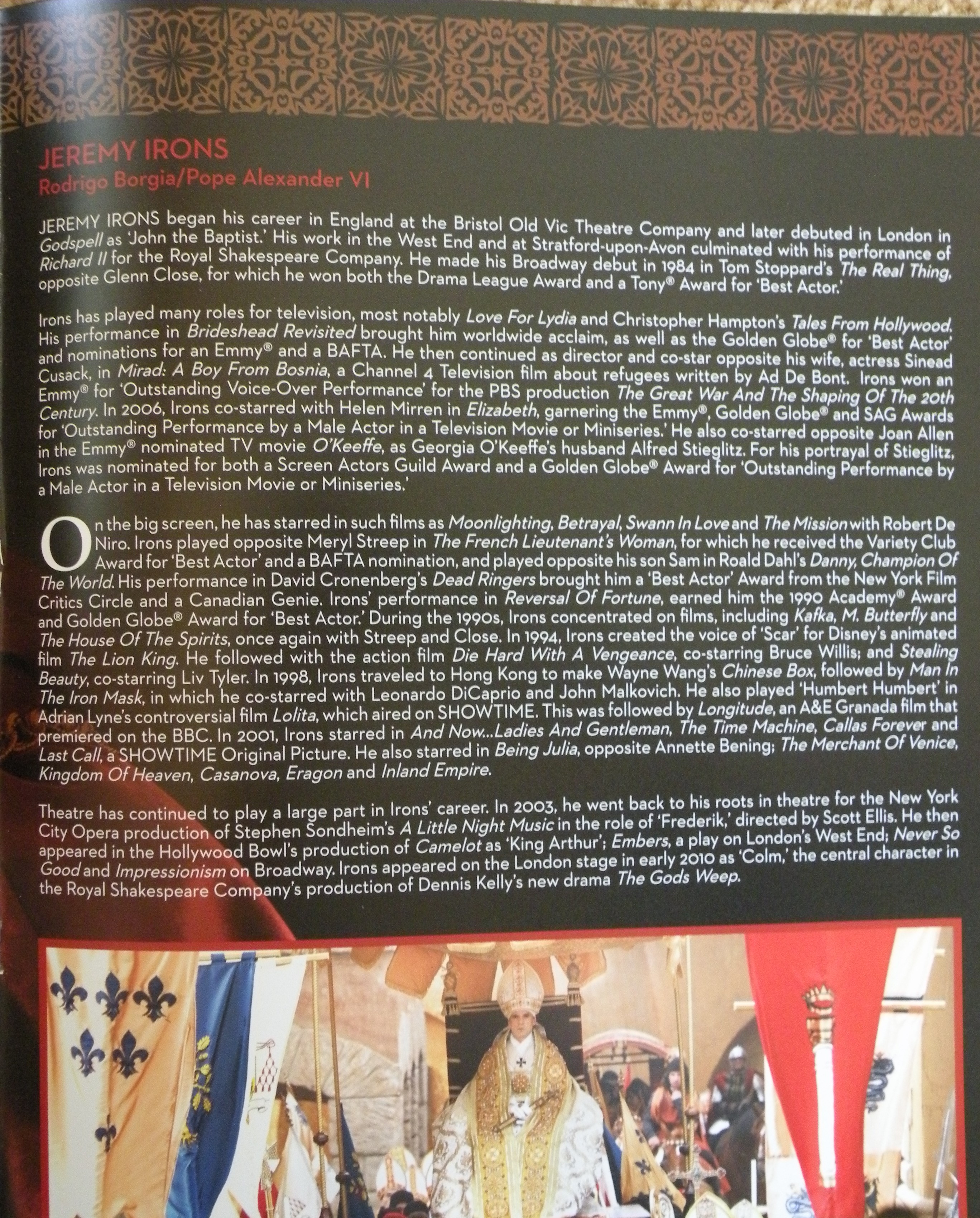
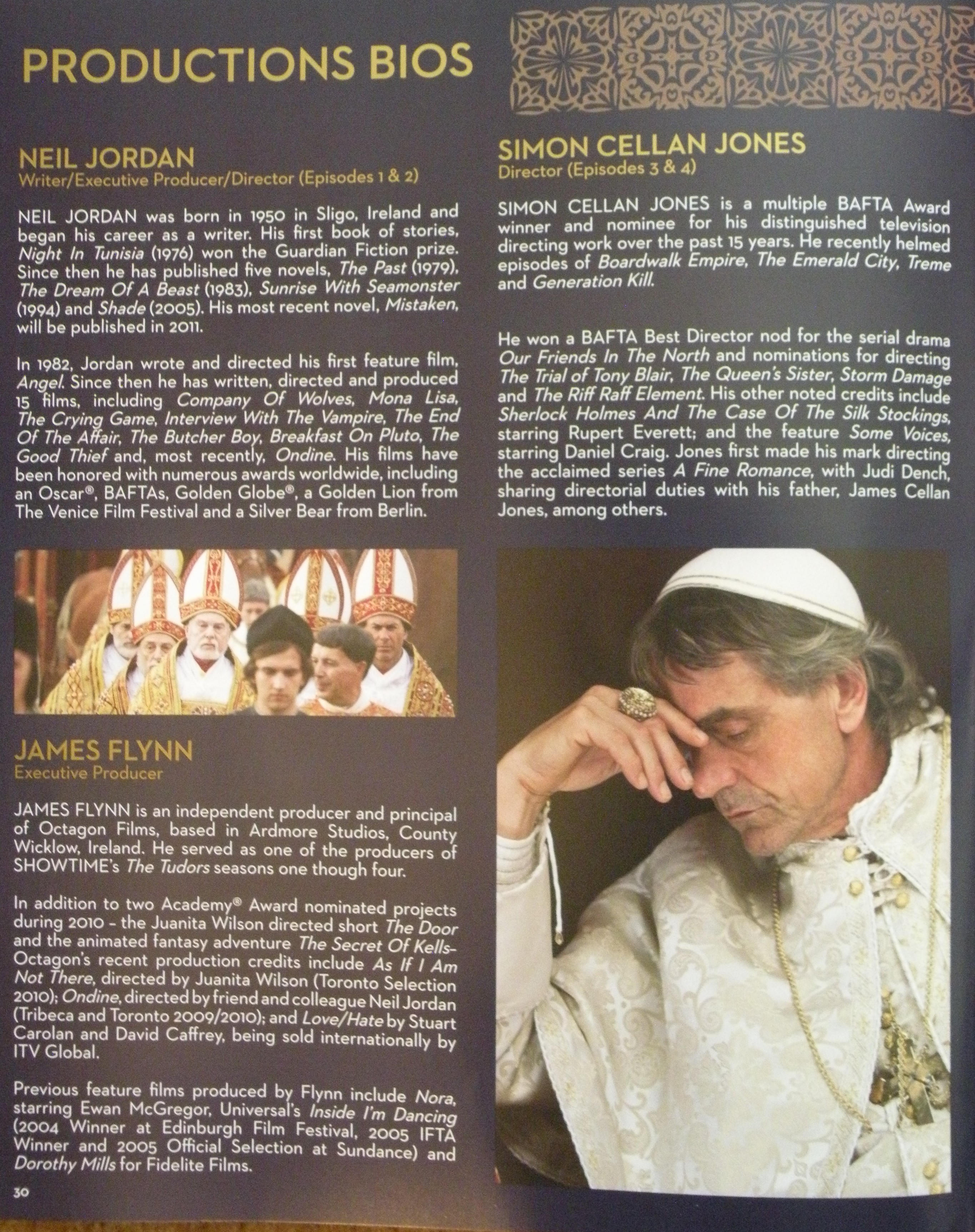
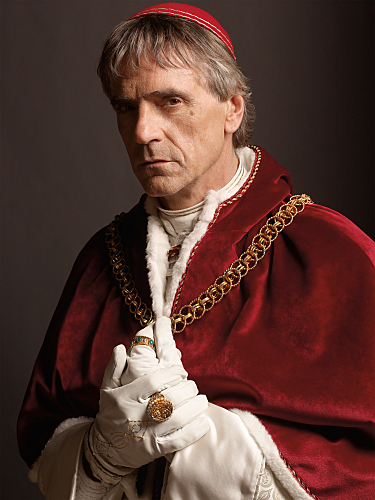
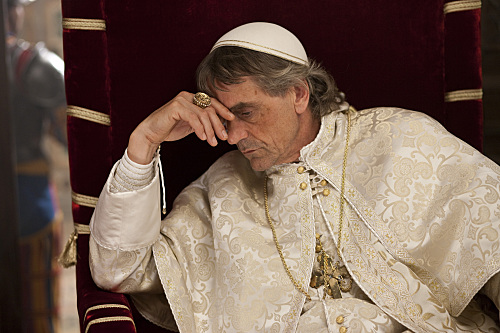
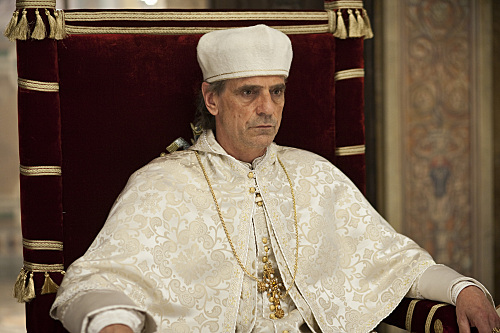
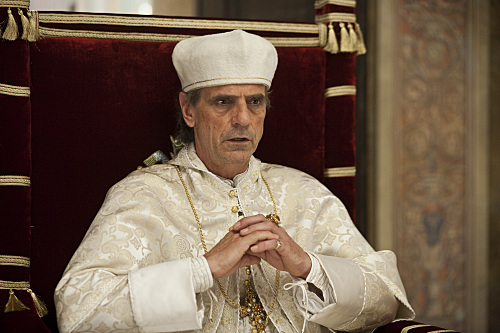
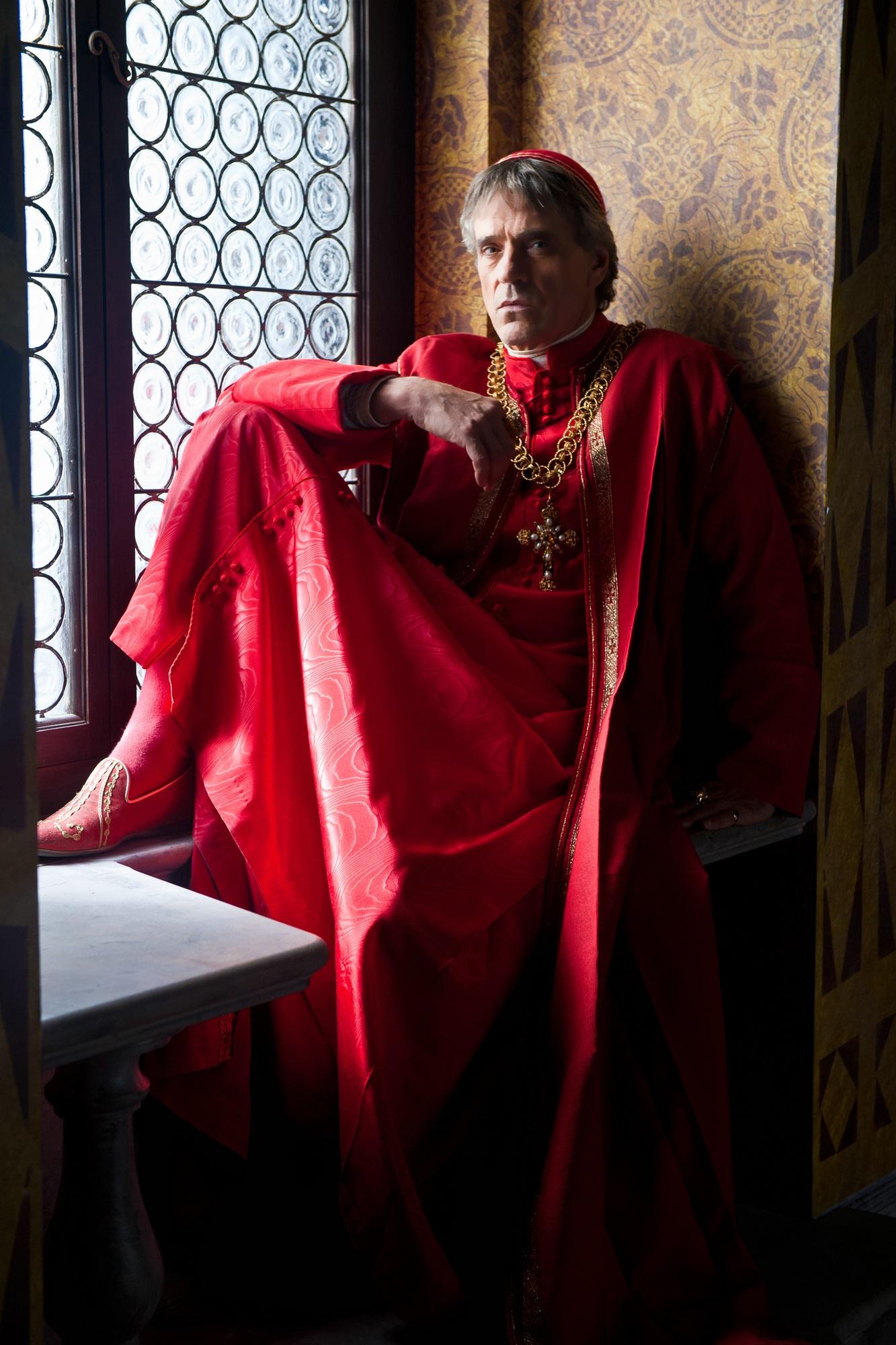
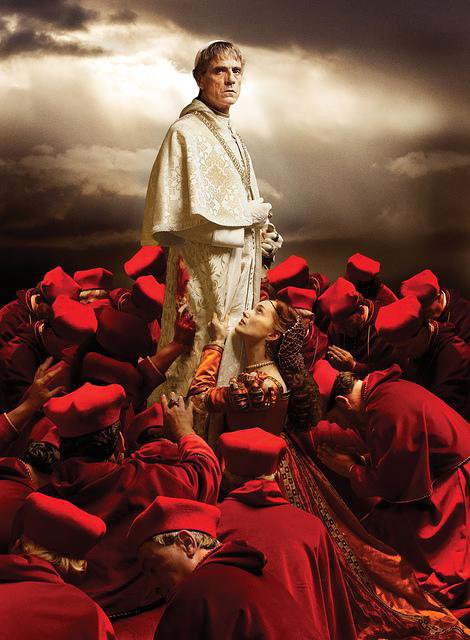
Oscar-winning British actor Jeremy Irons is playing the scheming, manipulative, and sexually incontinent pope — who reigned from 1492 to 1503 and was the inspiration for Mario Puzo’s The Godfather — in this new $45-million Canadian-Irish-Hungarian production called The Borgias.
The nine-part series, potentially controversial, given the Vatican’s ongoing woes over the sex-abuse scandal, will premiere on April 3 on Bravo! and on Showtime in the U.S.
Irons’ performance in the scene as Alexander — formerly known as Rodrigo Borgia, before he bribed his way into the Catholic Church’s top job — appears flawless. But Irons is a noted perfectionist.
He bolts to the nearby curtained-off monitors and leans over the shoulder of Jeremy Podeswa, the Canadian director of the final three episodes of the series.
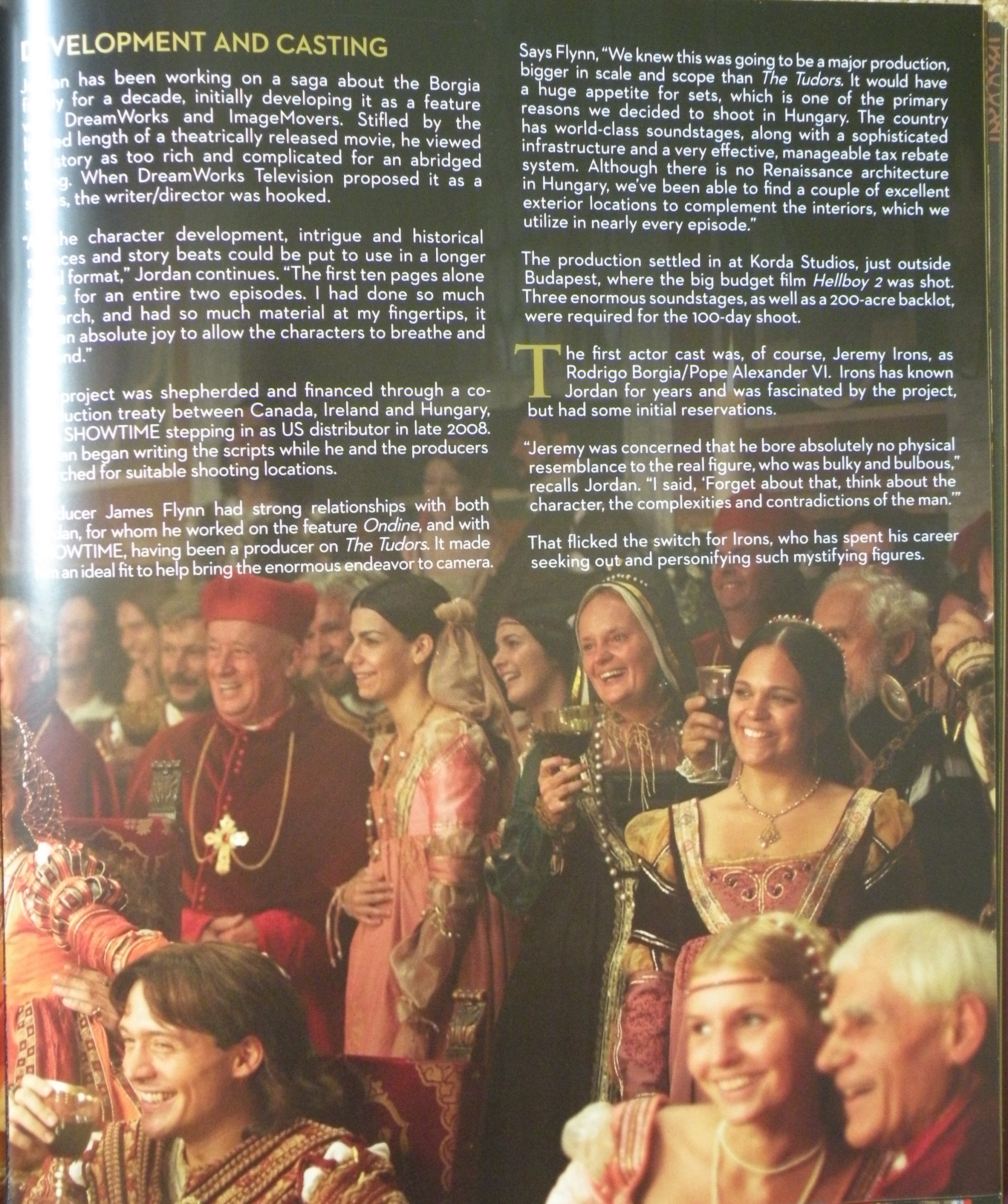
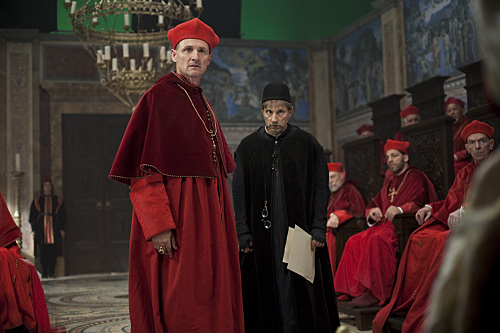
Podeswa, in a casual shirt and blue jeans, and Irons, wearing heavy, flowing red vestments and a towering papal cap, watch replays on a monitor and ponder possible changes, while $50-a-day Hungarian extras — outfitted as cardinals, French and Vatican generals, Swiss Guards, soldiers, local nobles, friars, nuns and commoners — relax, head out for a smoke, or reach for their mobile phones.
As Irons leaves, he passes Zoltan Rihmer, a young Hungarian academic hired to be the production’s “papal and Latin adviser.”
Irons wants to make sure he hasn’t committed any liturgical gaffes at the altar.
“Happy?” Irons deadpans.
“Absolutely,” replies a beaming Rihmer. “It’s fabulous.”
The producers are hoping audiences and critics will be just as glowing about The Borgias, a creation of Irish writer-director Neil Jordan, who won an Oscar for the screenplay for the 1992 film The Crying Game.
Showtime picked up The Borgias to fill the gap left by The Tudors, an Irish-Canadian co-production loosely based on the reign of England’s Henry VIII in the early 1500s. The Tudors ran for four seasons on Showtime before its finale last spring, and built steadily larger audiences.
Jordan, who recruited a third Oscar winner (Gabriella Pescucci, the costume designer, who won an Oscar for Age of Innocence) to the production, will bring a big-screen feel to viewers’ living rooms, according to the production team.
“Neil thinks cinematically,” Podeswa told Postmedia News during a brief break in shooting at a massive studio on the outskirts of Budapest.
“This is the first television show Neil’s done, and it will have a more cinematic esthetic — a broad canvas,” he said, paraphrasing Jordan’s directive: “‘You don’t have to think small screen, you don’t have to always be close, you can do things in a less obvious way.'”
While the script takes some liberties with history, those decisions were driven primarily by the need to build a flowing narrative, rather than to dramatize.
The history of the Borgia family, in fact, needs no embellishment.
“(Alexander’s) morals were widely held to be deeply corrupt,” wrote the late British historian Christopher Hibbert in his 2009 book, The House of Borgia.
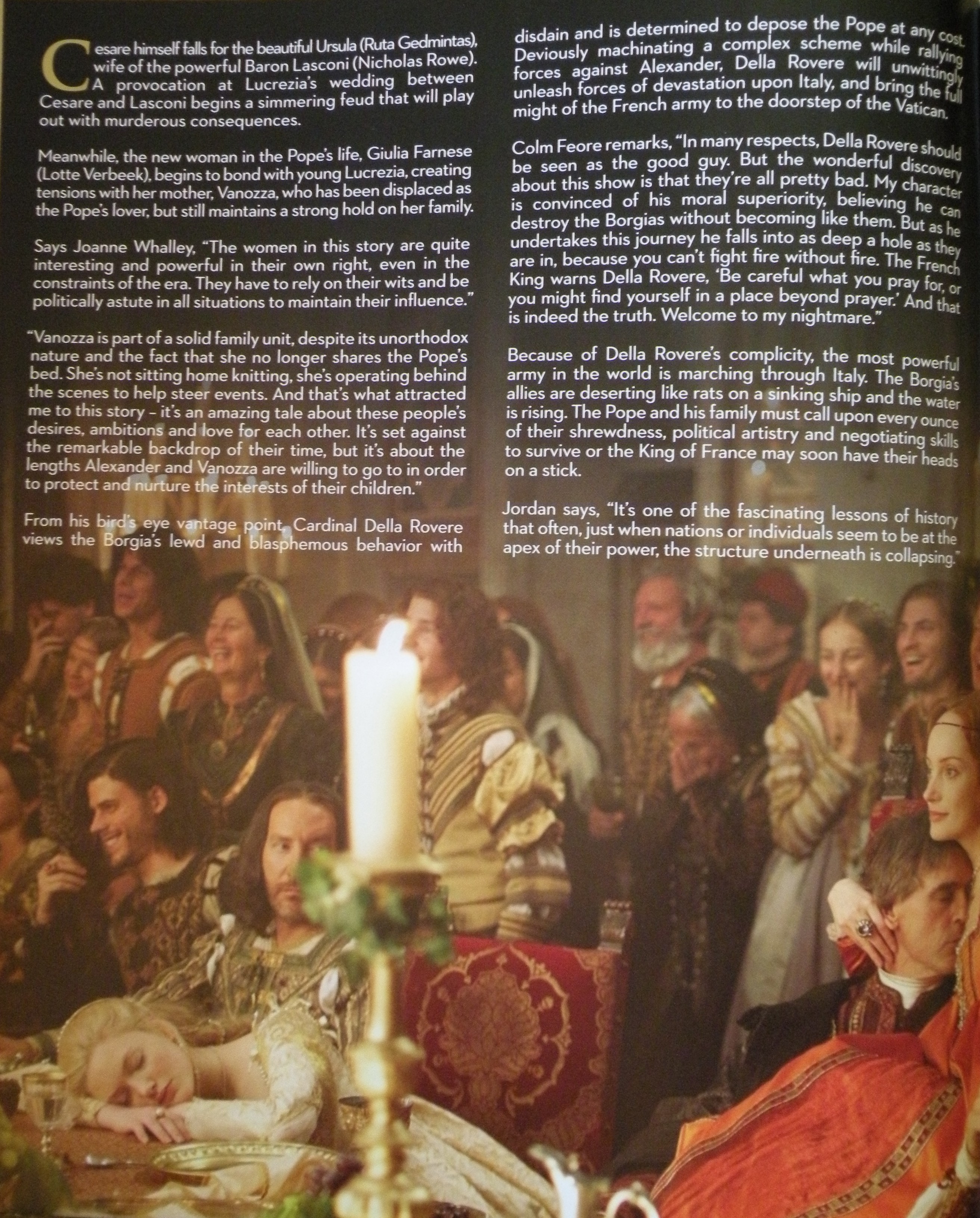
The book recounts one incident when 50 prostitutes were brought to a party at his Vatican apartment to dance naked before him, his adult children, and other guests. The evening culminated with prizes for those who had the most sex with the prostitutes.
Perhaps more notorious was Alexander’s son Cesare, a cardinal and one of the inspirations for Italian bureaucrat-philosopher Machiavelli’s The Prince.
Cesare used violence, war and deception to keep his father in power. He was also a hot-tempered sadist who would assemble prisoners outside his Vatican balcony to shoot for fun, according to Hibbert.
One man arrested for insulting Cesare had his hand cut off and his tongue ripped out and attached to the finger of the severed hand.
“The whole grisly ensemble was hung out of the prison window for all to see,” he wrote.
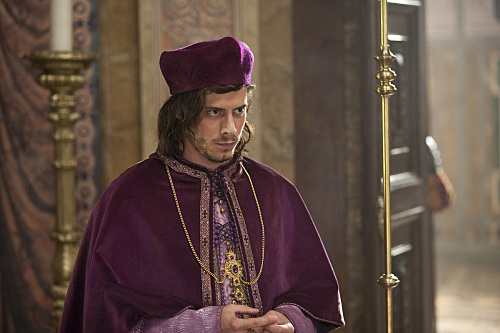
Francois Arnaud, the handsome young Montrealer playing Cesare in The Borgias, is one of the actors brought in to give the series some sex appeal. So while he’s at times ruthless and manipulative, his character is intended to be rather more sympathetic than the psychopath from history.
The Cesare character in The Borgias “does horrible things, but he always finds a way to justify them, at least to himself,” Arnaud said in his cluttered private studio room, adorned with half-eaten food and dumbbells on the floor.
“I kill people to protect my family, to protect my sister, to remain in a position of power. It’s kill or be killed. I don’t take pleasure in killing people.”
In some areas, Jordan only hints at some of the more outrageous claims about the Borgia family, including unsubstantiated rumours that the pope and Cesare both had incestuous liaisons with Lucrezia.
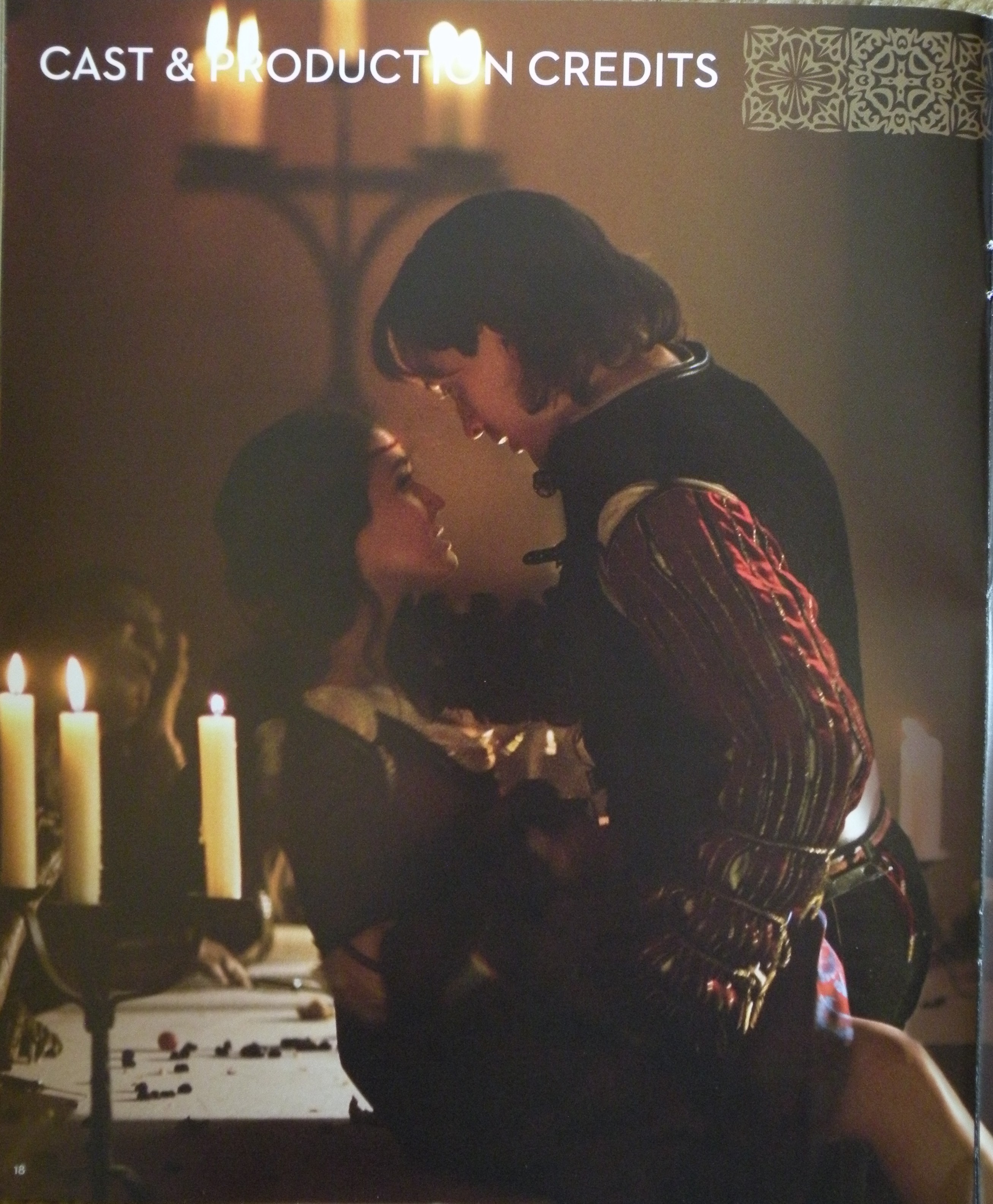
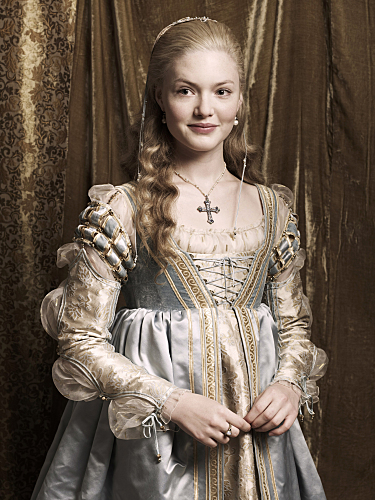
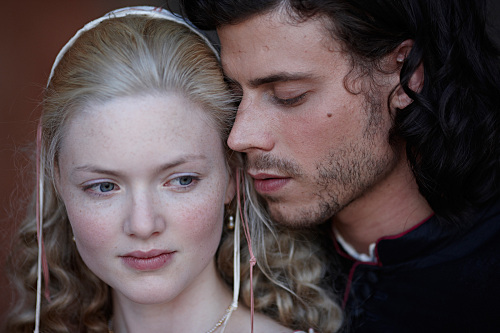
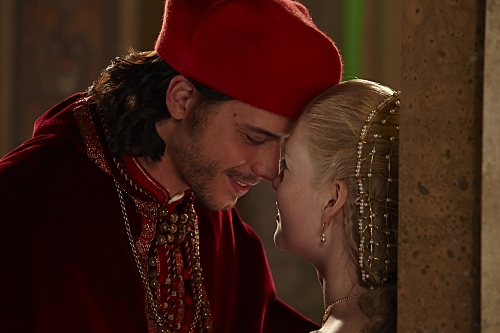
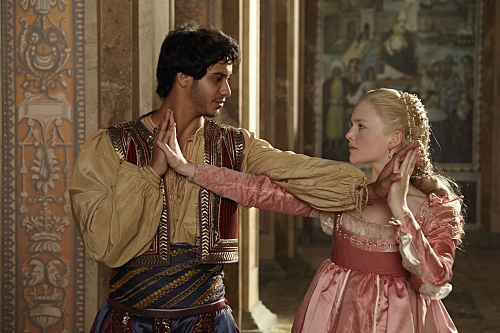
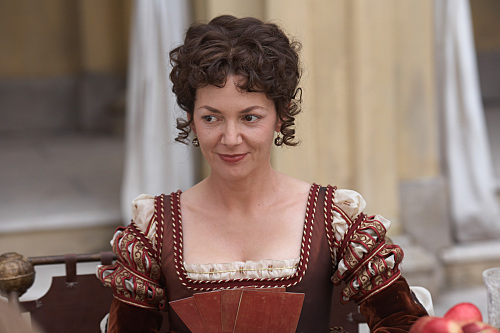
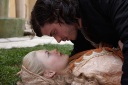
“They (Cesare and Lucrezia) are very close and very tactile with each other, and a lot of people will watch that and think, ‘Oh, what a lovely brother and sister, look how close they are,'” said Holliday Grainger, the pretty blond British actress who plays Lucrezia.
“But there are a few scenes where you can very easily read in something more, if you want to.”
Producer James Flynn said the TV series will bear a closer resemblance to The Sopranos than The Tudors.
“This is the original crime family,” Flynn said in his office at a massive studio on the outskirts of Budapest.
The TV series juxtaposes the violence, sexual escapades and scheming with intense family love and devotion between Alexander and his children.
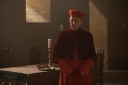
“This is clearly The Godfather, in the sense that it’s all about family,” said Canadian actor Colm Feore, who plays Alexander’s archrival, Cardinal Giuliano Della Rovere.
“But it’s also about the Renaissance, explosions of greed, power, art, desires, and how they all fit within the context of the Catholic Church.”
The producers say there is no deliberate attempt to exploit the Catholic Church’s ongoing child sex scandal, noting that Jordan first conceived the idea more than a decade ago.
But they acknowledge that the heightened public of, and interest in, the Vatican could draw more viewers curious about the pre-Reformation Vatican.
What viewers will quickly discover is that the Vatican of today, which represents the world’s smallest state, is vastly different from the institution that ruled over Italy’s papal states and headed a powerful army.
“In those days, the pope was not only the supreme pontiff of the Catholic Church; he was a secular ruler, as well,” said the academic adviser, Zoltan Rihmer.
“This led him into Italian and world politics of the day, and that was a very turbulent period. He had to fight his way through the nobility of Rome and of these papal states.”
The series premiere begins with Cardinal Rodrigo Borgia, working with his 18-year-old Cesare to bribe and scheme their way to victory in the papal conclave. A Spaniard viewed with suspicion by Rome’s elite, Borgia is able to afford the hefty bribes, due to the considerable wealth he accumulated as a senior Vatican administrator.
But it’s clear, after his victory, that the new pope’s rivals, including Della Rovere, will not take defeat easily. Cesare, in a Machiavellian twist, uses an assassination attempt against his father to the family’s advantage.
The series naturally focuses on Alexander’s ruthlessness and his personal and moral flaws, though historians say the more sensational accounts of the Borgia dynasty are one-sided.
“It could be noted that there were positive sides to Alexander’s rule,” noted University of Glasgow historian Christopher Black.
“Besides administrative and financial reforms, he made moves to reform the monastic orders, and was a respected patron of artists and humanist scholars, who respected him.”
Feore said the complexity of Alexander’s character, and the context in which he ruled, can’t be ignored. The pope was in many ways like a warlord, but his goal was to sustain the Catholic Church — and what he hoped would be a family dynasty — in a hostile environment.
“In this world, you have to promise things you’re not going to deliver on, you have to keep your friends close and your enemies closer, you have to understand that people are corruptible, venal, horrible, maniacal, and self-centred. If you can recognize that and use it to your advantage, then you might be doing God’s work,” Feore told Postmedia News.
“Now, if that circular kind of thinking works for you, boy, have we got a show for you.”
The Borgias’ two-hour premiere airs Sunday, April 3 on Bravo! at 10 ET/ 7 PT.
poneil@postmedia.com
© Copyright (c) The Vancouver Sun
All of The Borgias trailers – all in one place – all with perfect audio and picture quality!
Vodpod videos no longer available. Vodpod videos no longer available. Vodpod videos no longer available. Vodpod videos no longer available.

The Borgias will premiere on Showtime on Sunday, April 3, 2011, from 9:00 to 11:00 pm EST. It will move to its regular time slot of 10:00 pm, the following week.

From Elise Crane Derby via Twitter
Click on any of the thumbnails for a larger image:


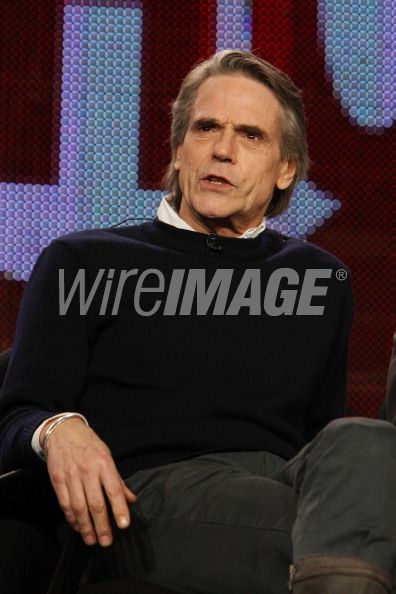


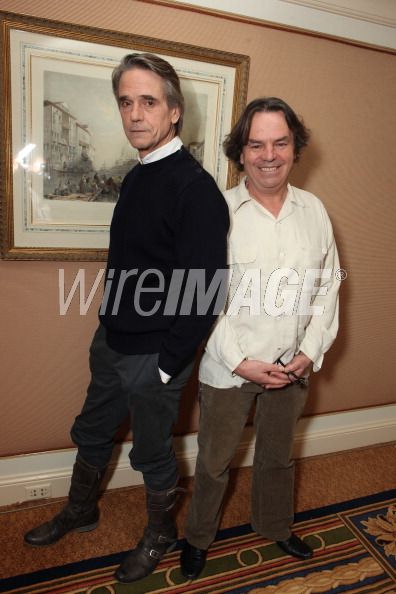


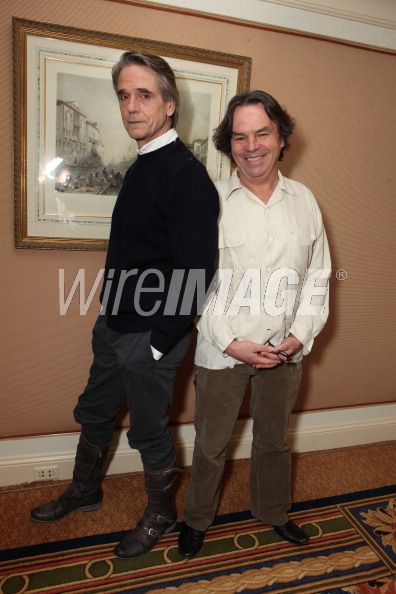



















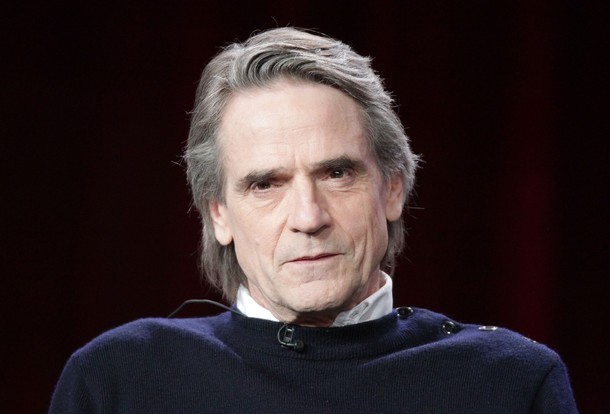


Jeremy is not in this video, but Colm Feore, who plays Cardinal Della Rovere in “The Borgias”, speaks about working with Jeremy and he gives a lot of interesting details about the filming of the series.
__________________________________________________________________________________________
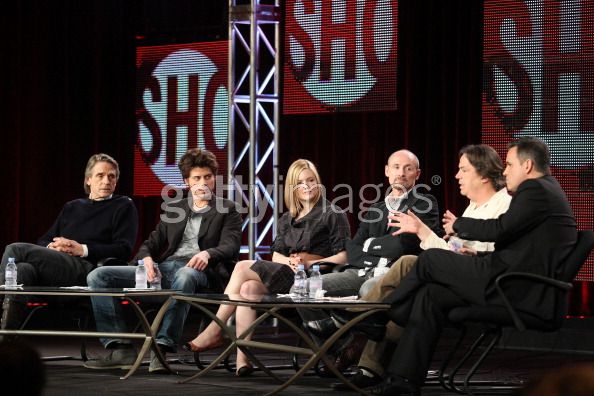
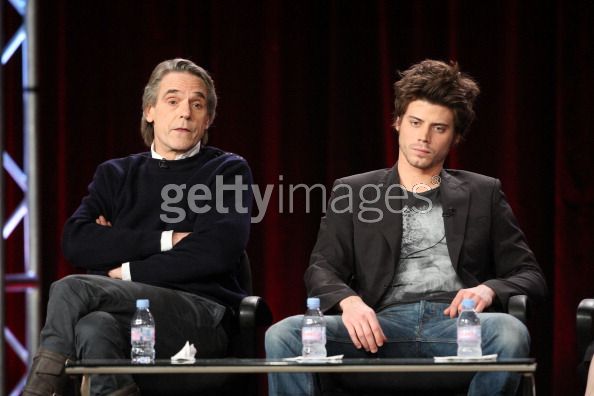
From Brittany’s TCA 2011 Blog:
The Borgias
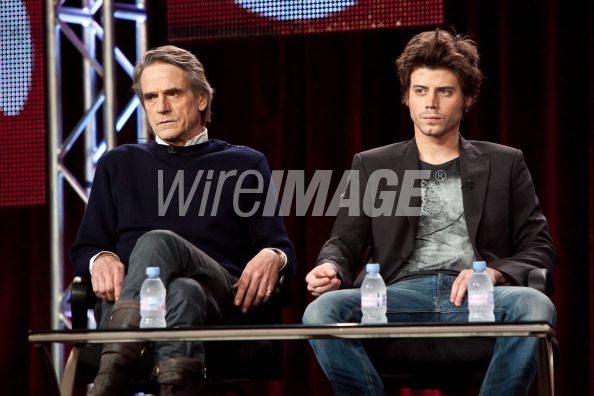
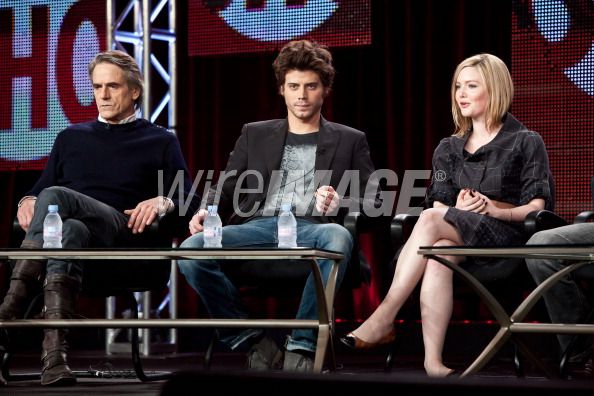
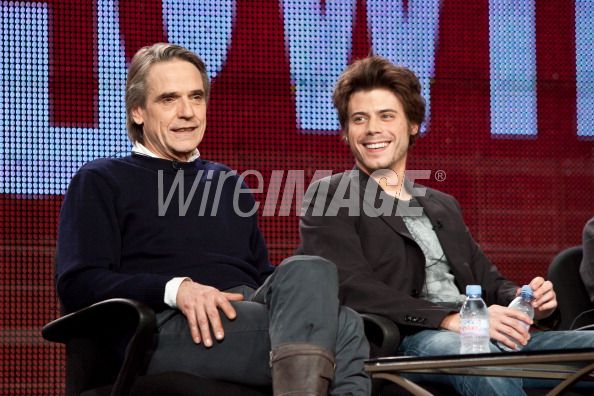
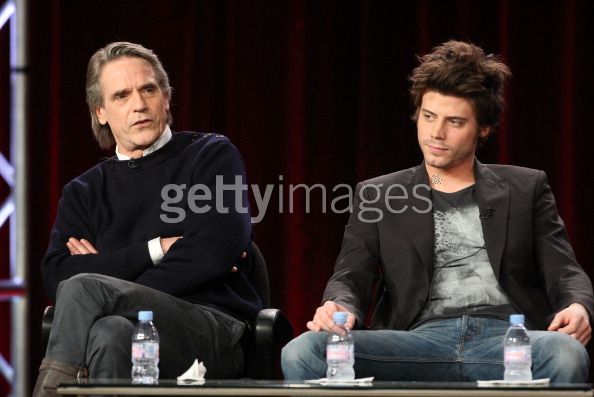
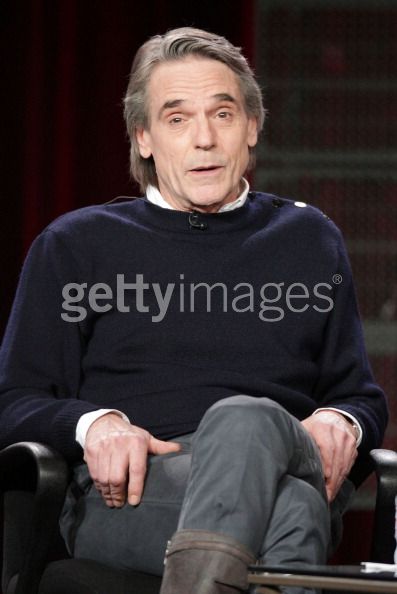
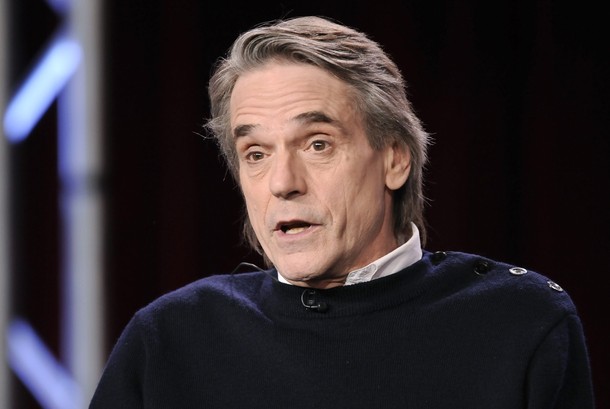
Please stop calling Showtime’s The Borgias a sequel to its wildly successful The Tudors. According to Borgias star Jeremy Irons, the shows are alike “as much as Hamlet is the same as MacBeth.”

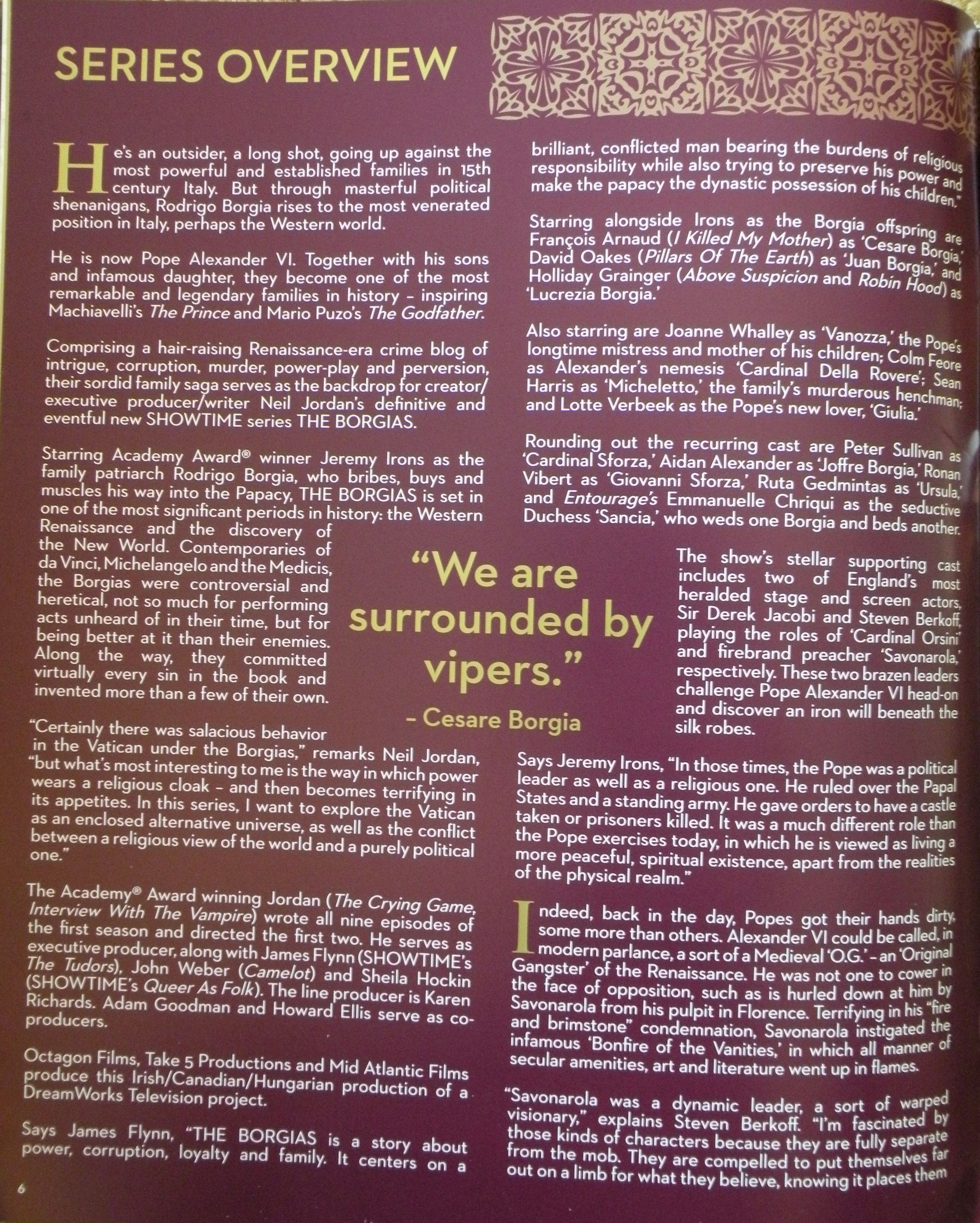
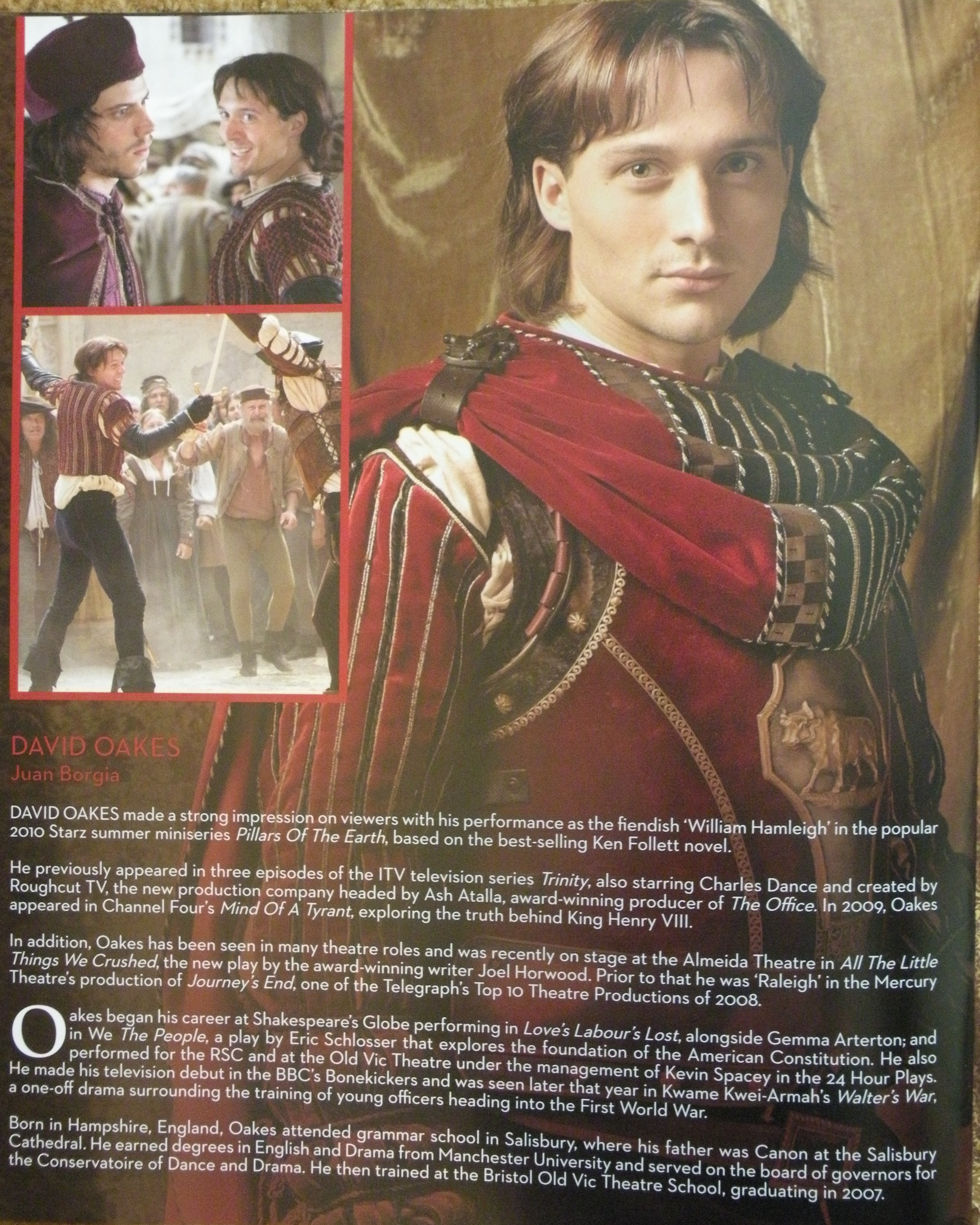
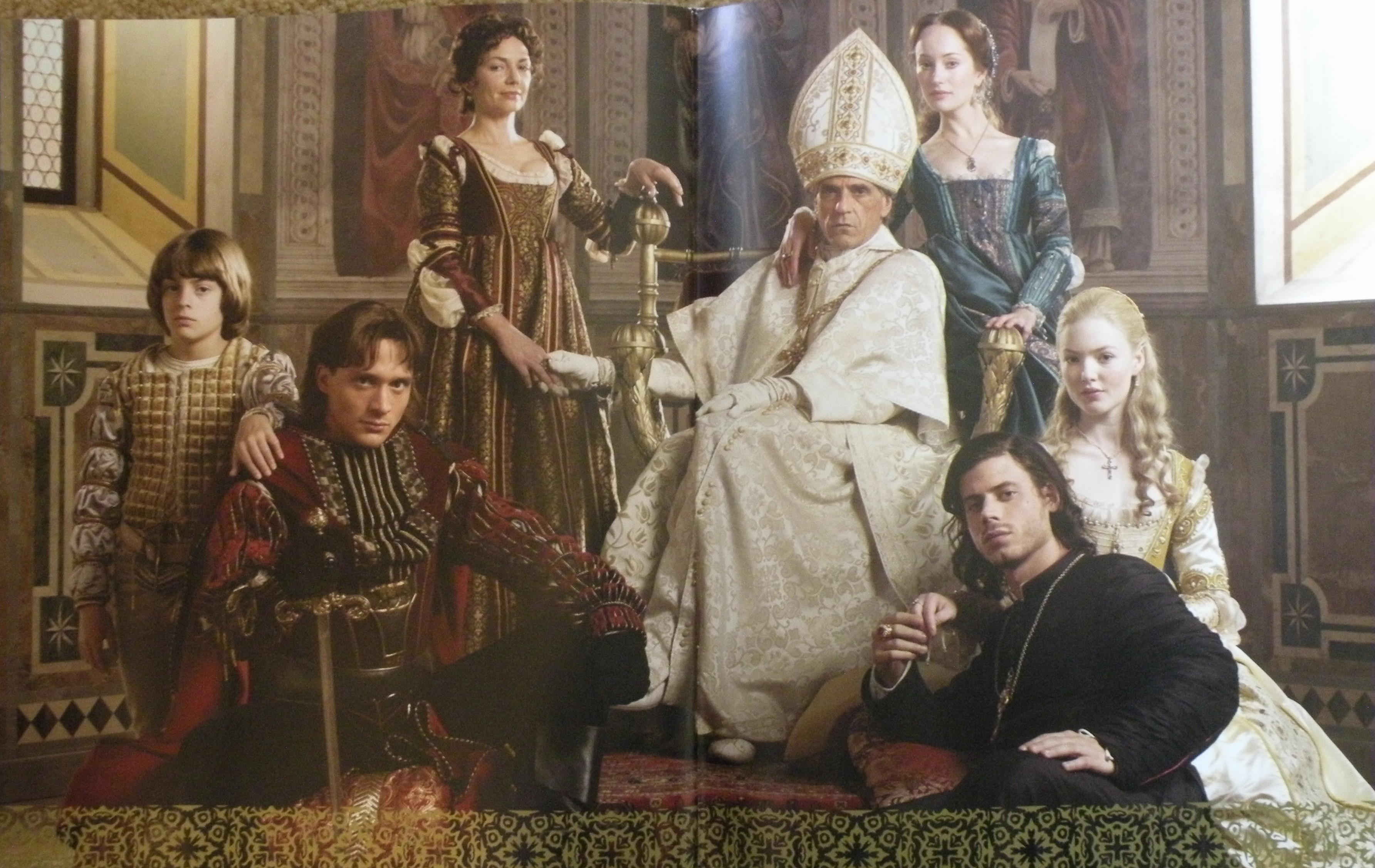
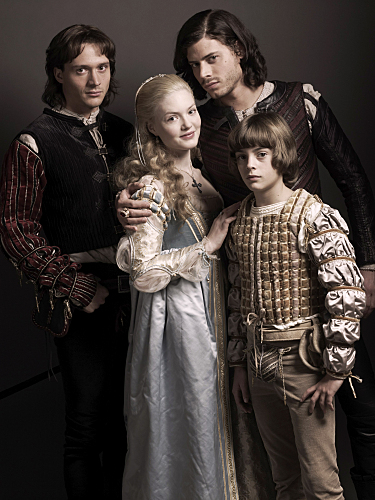
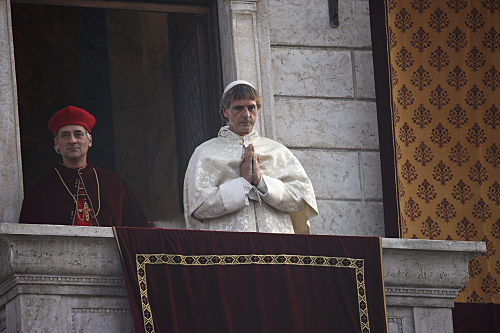
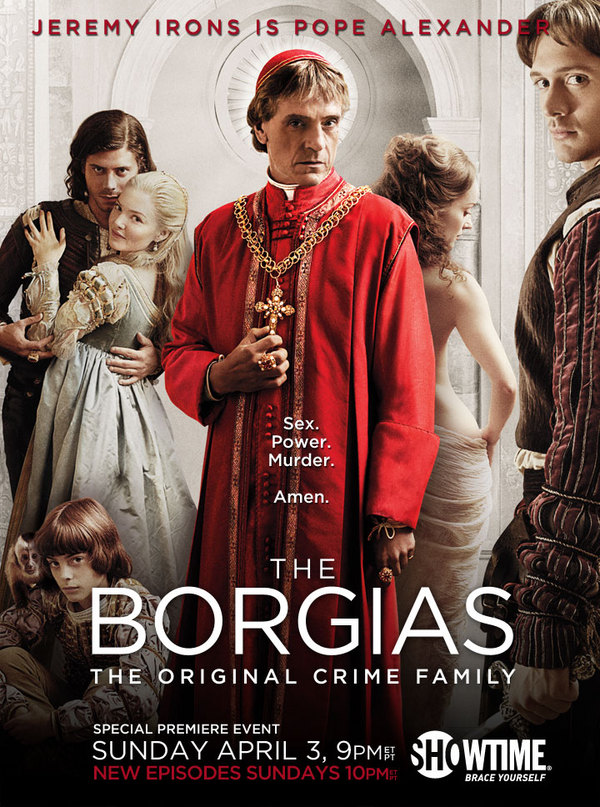
Billed by Showtime as “the original crime family,” the series depicts the titular family as Rodrigo Borgia (Irons) “builds an empire through the corruption of the Catholic Church and orchestrates a relentless reign of power and flamboyant cruelty” once he begins Pope Alexander the Sixth. The same qualities are seen in his children as Juan (David Oakes) becomes head of the papal armies and Cesare (Francois Arnaud) is made a Cardinal, while Rodrigo plots to marry off daughter Lucrezia (Holliday Grainger) as a means of further improving the family’s political position. Sex, violence, and chaos abounds.
“The series is about power and God and how they interact,” creator, writer, director (of the first two episodes) and executive producer Neil Jordan said. Co-star Colm Feore added that it’s a “very difficult problem. Maybe they don’t work together.”
Yet with all the sin, debauchery and cruelty perpetuated by the Borgias, are they going to repel some viewers who find them too objectionable? It’s possible, but no one seemed particularly bothered. Asked that question, Irons replied, “It’s for us to judge them, and wonder how much has changed [since then].” He added that the fact that people are afraid of skeletons in closets may have something to do with ‘why we have such boring people as leaders” – because they don’t want their misdeeds inevitably exposed by their candidacy.
On top of that, The Borgias faces another hurdle. With religion involved, controversy sometimes follows. Jordan doesn’t expect a backlash, however, saying that “these events are so well-documented and [Rodrigo] did try and protect the institution [of the Catholic Church]. I don’t think the Church will be unhappy.” Yet there’s only so far history can take the fictional Borgias. Asked how much research the actors did, Fiore said that it doesn’t matter as much as we might think, since “you’re only going to be doing the bit selected for the story.” Arnaud concurred: “It’s not about history so much anymore as it is about what we’re telling you.” In other words (mine, not theirs), die-hard history buffs should expect some dramatic license.
If there’s one thing in common between The Borgias and The Tudors, it’s that once again there’s no shortage of salacious content, with plenty of nudity and implied sex acts in the clip reel alone. However, unlike how it became a marketing point for The Tudors, it “just happened to be part of the story” of The Borgias, Jordan said. Yet that’s where the similarities end.
__________________________________________________________________________________________
Memorable quotes from The Borgias TCA panel discussion:
1. I read something about Pope John the Pope John Paul, is it, the Polish Pope. And it was from a Catholic theologian who said he wrote, actually, ‘Habet duos testiculos et bene pendentes.’ He said, ‘This man is well hung. That’s why he deserved to be Pope.’ Now, certain things the Vatican will not reveal to all of us, but there is a chair, apparently, a Porphyry Chair, with a large circular hole in it to so these examinations can be made. Now, many people will deny that, but I’ve read I read reputable historians who says it happens, okay? Perhaps no longer, but then it did.” – Neil Jordan, “The Borgias” (Showtime)
2. “I think (Rodrigo Borgia) is a pretty good guy just doing the best he can. I mean, power corrupts, you know. It was a time quite unlike the time we live in today. There were murders in Rome every night, poisonings most weekends. There was incest here and sodomy there. You know, it was a good old rolling, rollicking society. And if you’ve got to try and run that, which the Pope attempts to do, then, of course, you’ve got to play by some of the games, by some of the rules that society follows. I didn’t judge him at all. I just tried to hang on by the…hang onto the position and do what he wanted too. I think it’s up to the audience to say what is good, what is wrong, what is right, and then think how much… wonder how much has changed as you look at present day Italy or present day almost anywhere of power. I think there are huge parallels about what people get up to in order to hang on to power and in order to get their way. I don’t think anything has changed, and perhaps those thoughts will go through our minds when we judge these people. I played him. I thought I was quite a good guy. But George W. Bush probably thought he was quite a good guy, too. Stalin probably liked himself.” – Jeremy Irons, “The Borgias” (Showtime)
3. “As a director, (’The Borgias’) is a nightmare because (the actors) all come with the books about their character. ‘Hang on, I didn’t do that. Look, it says here he did this. It says here he did that.’ Stop, please.” – Neil Jordan, “The Borgias” (Showtime)
__________________________________________________________________________________________
From Ray Richmond, who is contributing to Deadline Hollywood’s TCA coverage:
There’s no mystery where Showtime is taking its marketing orders from in promoting its forthcoming historical costume drama series The Borgias that premieres April 3. The tagline hypes it as “the original crime family,” documenting life in the Italian Renaissance of the late 1400s and the corrupt rule of Rodrigo Borgia, who would become Pope in 1492. As he described during a TCA session this afternoon, the man playing the Borgia patriarch, Jeremy Irons, saw the notorious Rodrigo as “a pretty good guy doing the best he can.”
Irons continued, “It was an interesting time. There were murders every night. Poisonings most weekends. Incest here, sodomy there. It was a good old rolling, rollicking society. If you’re going to run that as a Pope tends to do, you’re going to have to play by some set of rules. I don’t judge him at all. I think it’s up to the audience to say what is good, what is wrong, what’s right. There are huge parallels today to how things were back then as far as what people get up to and what they do to get their way. I don’t think anything has changed really. I played him as someone who thought he was a pretty good guy. I’m sure George W. Bush thought he was a good guy, too. Stalin probably liked himself.”









 jeremyirons.net

































 jeremyirons.net
You must be logged in to post a comment.